

India's Space Ambitions Face Modest Budgetary Boost in 2026
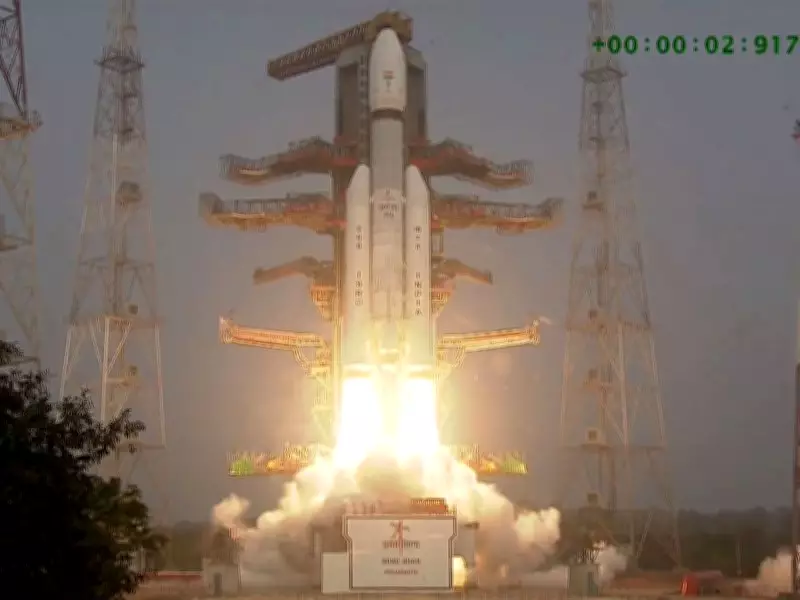
The Union Budget for the fiscal year 2026 has allocated a marginal increase of approximately 2% to India's space sector, a move that has generated mixed reactions from stakeholders and analysts across the country. This modest hike comes at a critical juncture when the Indian Space Research Organisation (ISRO) is spearheading several high-profile missions, including the ambitious Gaganyaan human spaceflight program and ongoing lunar exploration efforts.
Financial Allocation Details and Sectoral Context
The budgetary provision for the space sector, while showing a slight upward trend, falls short of the more substantial increases anticipated by many industry experts. The allocation is set against a backdrop of escalating costs associated with advanced space technologies, research and development, and infrastructure upgrades. This incremental rise is expected to support ongoing projects but may necessitate strategic prioritization and efficient resource management within ISRO and affiliated entities.
Key areas likely to benefit from this funding include:

- Continuation of the Gaganyaan mission, aimed at sending Indian astronauts into space
- Enhancement of satellite launch capabilities and space exploration initiatives
- Maintenance and expansion of ground-based infrastructure and research facilities
Implications for India's Space Aspirations
This budgetary decision underscores the government's measured approach to financing the space sector, balancing fiscal prudence with the nation's aspirations for global leadership in space technology. The 2% hike, though modest, reflects a commitment to sustaining momentum in space activities, but it also highlights the challenges of securing adequate funding for capital-intensive space ventures.
Analysts suggest that the marginal increase may prompt ISRO to explore innovative funding models, such as public-private partnerships and increased commercial collaborations, to bridge potential financial gaps. The focus is likely to remain on achieving milestones in human spaceflight and deep-space missions while optimizing existing resources.
Comparative Analysis and Future Outlook
When compared to previous budgetary allocations, the 2026 increase represents a continuation of cautious financial support rather than a significant boost. This trend raises questions about the long-term funding strategy for India's space ambitions, especially as global competition in space exploration intensifies.
Looking ahead, the space sector's performance and achievements in the coming year will be closely monitored to assess the impact of this budgetary allocation. Stakeholders are hopeful that future budgets might offer more robust support to accelerate India's progress in space science and technology, aligning with the nation's vision of becoming a prominent player in the global space arena.






