Union Budget 2026 Unveils Strategic Push for Critical Minerals with Zero Duty on Monazite
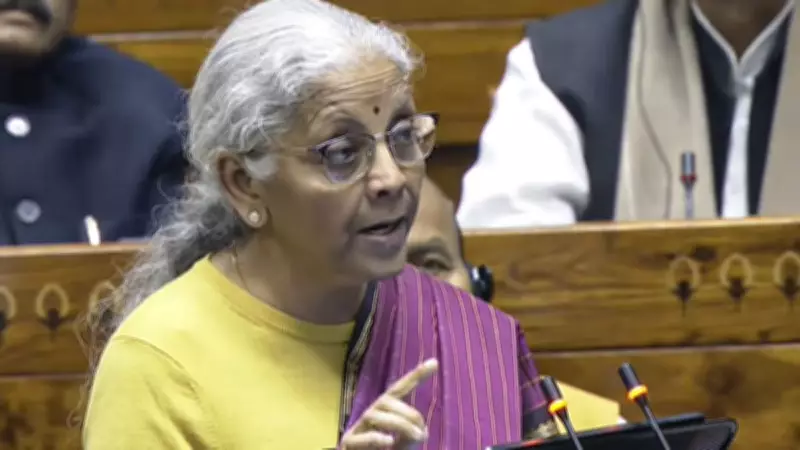
The Union Budget for the fiscal year 2026-27, presented in Parliament, has introduced a landmark initiative aimed at bolstering India's self-reliance in critical minerals. A key highlight of the budget is the proposal to impose zero import duty on monazite, a mineral rich in rare earth elements that are essential for various high-tech industries.
Establishing Rare Earth Corridors to Strengthen Supply Chains
In addition to the duty exemption, the budget outlines plans to develop rare earth corridors across strategic locations in the country. These corridors are designed to create integrated hubs for the mining, processing, and manufacturing of rare earth elements, thereby enhancing the domestic supply chain for critical minerals.
The move is part of a broader strategy to reduce India's dependency on imports for these vital resources, which are crucial for sectors such as renewable energy, defense, electronics, and electric vehicles. By fostering a robust domestic ecosystem, the government aims to position India as a significant player in the global critical minerals market.

Implications for Industry and Economic Growth
The zero-duty policy on monazite is expected to lower production costs for industries reliant on rare earth elements, making Indian manufacturing more competitive. This fiscal incentive, combined with the development of rare earth corridors, is anticipated to attract investments, generate employment, and spur innovation in mineral processing technologies.
Experts believe that this initiative will not only secure the supply of critical minerals but also contribute to the nation's economic growth by promoting sustainable and technologically advanced industrial practices. The budget's focus on critical minerals underscores the government's commitment to achieving long-term strategic and economic objectives.