

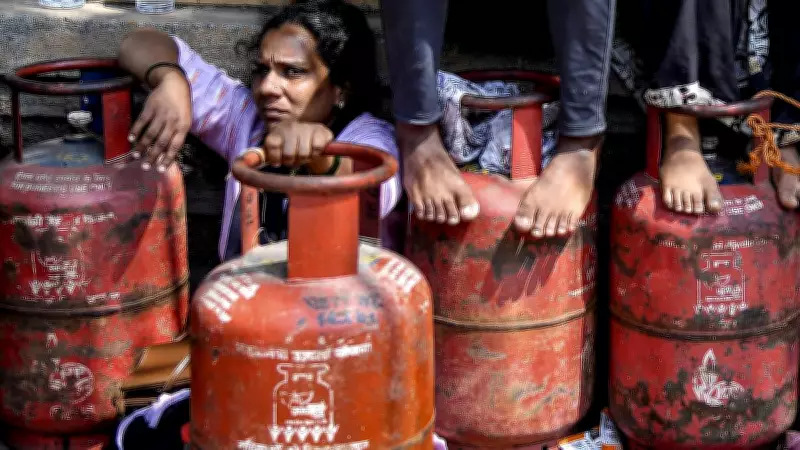
Centre Mandates States to Enhance LPG Cylinder Distribution for Migrant Laborers
In a significant move aimed at bolstering support for migrant workers across India, the central government has issued a directive to all states, urging them to double the daily supply of 5-kilogram LPG cylinders. This initiative is designed to ensure that migrant laborers have reliable access to clean cooking fuel, addressing a critical need in their daily lives.
Official Communication from Petroleum Ministry
The directive was formally communicated through a letter sent by Neeraj Mittal, Secretary of the Ministry of Petroleum and Natural Gas. In the correspondence, Mittal emphasized that the additional cylinders must be distributed exclusively to migrant workers, with the entire process being supported and managed by Oil Marketing Companies (OMCs). These OMCs will play a pivotal role in facilitating the distribution, ensuring that the cylinders reach the intended beneficiaries efficiently and without delay.
Focus on Exclusive Access for Migrant Communities
The government's plan underscores a targeted approach to welfare, specifically catering to the needs of migrant laborers who often face challenges in accessing essential services. By doubling the daily supply, the initiative aims to:

- Provide consistent and adequate cooking fuel to migrant families.
- Reduce dependency on traditional, polluting fuels that pose health risks.
- Enhance the overall quality of life for workers who contribute significantly to the economy.
This measure is expected to alleviate some of the hardships faced by migrant communities, particularly in urban and industrial areas where they are concentrated.
Implementation and Expected Impact
The collaboration between state governments and OMCs will be crucial for the successful execution of this directive. States are required to coordinate with OMCs to streamline the distribution process, ensuring that the increased supply is managed effectively. The initiative is part of broader efforts to integrate migrant workers into social welfare schemes and improve their living conditions.
Experts believe that this step could lead to positive outcomes, such as improved health due to reduced indoor air pollution and greater economic stability for migrant households. It also reflects the government's commitment to addressing the specific needs of vulnerable populations through targeted interventions.
As the states begin to implement this directive, monitoring and feedback mechanisms will be essential to assess its effectiveness and make necessary adjustments. The move is seen as a proactive measure to support migrant workers, who are a vital part of India's labor force.






