In a significant move aimed at enhancing the effectiveness and user experience of a key central welfare scheme, the government has decided to integrate a robust grievance redressal mechanism and a dedicated national call centre into the Pradhan Mantri Matru Vandana Yojana (PMMVY). This decision comes directly after a high-level review of the programme by Prime Minister Narendra Modi.
Directives from the Prime Minister's Review
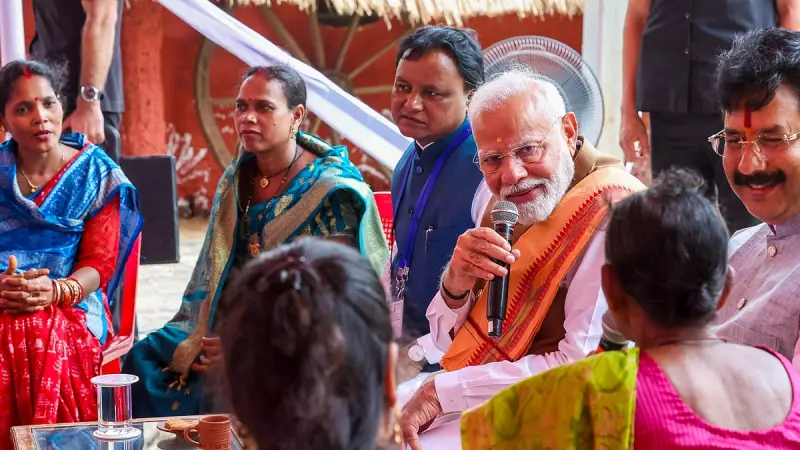
The pivotal review meeting, chaired by Prime Minister Modi, took a comprehensive look at the performance and outreach of the Pradhan Mantri Matru Vandana Yojana. The scheme, which provides conditional cash benefits to pregnant women and lactating mothers, is a cornerstone of the government's efforts to improve maternal health and nutrition outcomes. During the review, the Prime Minister emphasized the need for streamlining processes and ensuring seamless support for beneficiaries.
As a direct outcome of this review, the Women and Child Development Ministry has been tasked with implementing two major technological interventions. The first is the establishment of a dedicated grievance redressal system specifically for PMMVY. The second is the creation of a national-level call centre. These systems are designed to address beneficiary complaints, provide real-time assistance, and resolve issues related to application processing and fund disbursement.

Enhancing the Beneficiary Experience
The integration of a formal grievance system and a call centre addresses a long-standing need for better communication channels within the scheme. Currently, beneficiaries facing problems with their applications or payments often have limited avenues for escalation. The new system promises to create a structured, trackable process for lodging and resolving complaints.
The national call centre will serve as a single point of contact, offering guidance in multiple languages and helping beneficiaries navigate the scheme's procedures. This is expected to significantly reduce confusion and delays, especially for women in remote areas who may lack digital literacy or easy access to government offices. The move aligns with the broader 'Digital India' vision, leveraging technology to make welfare delivery more transparent and citizen-centric.
About Pradhan Mantri Matru Vandana Yojana (PMMVY)
Launched in 2017, the Pradhan Mantri Matru Vandana Yojana is a direct benefit transfer (DBT) scheme. It provides financial assistance of Rs 5,000 in three instalments to eligible women for their first live birth. The cash benefit is intended to partially compensate for wage loss during pregnancy and childbirth and to encourage improved health-seeking behaviour. The scheme is implemented across all districts of the country through the Anganwadi infrastructure under the Ministry of Women and Child Development.
The recent review also highlighted the scheme's achievements and scope for improvement in coverage. The addition of the grievance portal and call centre is seen as a critical step in bridging implementation gaps and ensuring that the benefits reach every intended recipient without hassle.
Looking Ahead: A More Responsive Welfare Framework
The government's decision underscores a shift towards more accountable and responsive social security programmes. By institutionalizing feedback and support mechanisms, the Centre aims to build greater trust in the PMMVY and improve its overall performance metrics. The technological upgrades are likely to be integrated with the existing PMMVY-CAS (Common Application Software) platform, creating a unified ecosystem for scheme management.
This initiative, prompted by the Prime Minister's review, is expected to set a precedent for other central schemes, where beneficiary feedback and efficient grievance resolution become integral to design and operation. The focus is now on swift implementation by the Women and Child Development Ministry to realize these improvements on the ground.