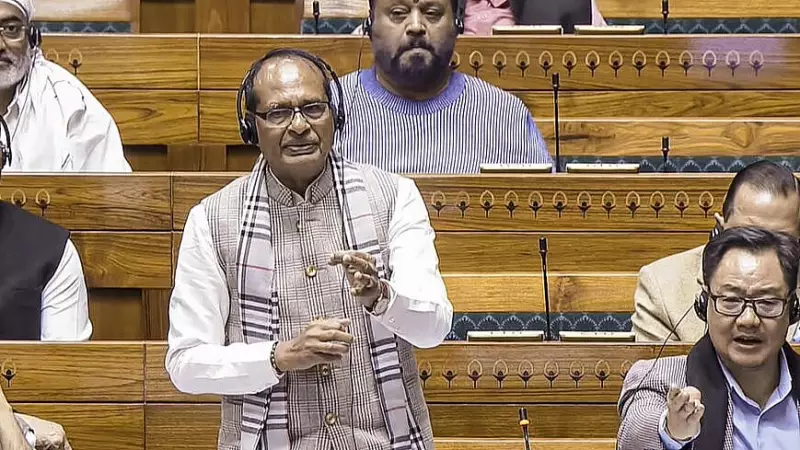
The Union government has issued a clear warning to state administrations regarding the utilisation of funds allocated for crucial agricultural schemes. The Centre indicated that future financial support could face delays if states fail to spend the money already provided to them for farmer-centric programs.
Minister's Assurance and Warning
While addressing state representatives, Union Agriculture Minister Shivraj Singh Chouhan assured continued central support for strengthening the agriculture sector and protecting farmers' interests. However, this assurance came with a significant caveat. The minister emphasised the need for efficient fund utilisation, linking the timely release of future allocations to the actual spending of current grants.
An official statement released on January 3, 2026, detailed the minister's communication. The statement highlighted the Centre's commitment but also underscored its expectation for states to expedite the implementation of various agricultural welfare schemes on the ground.

The Core Issue: Fund Utilisation
The central government's primary concern revolves around the accumulation of unspent balances in state coffers. When funds meant for critical initiatives like crop insurance, irrigation, soil health, and direct benefit transfers lie idle, it defeats the purpose of the allocation and delays benefits to farmers.
This warning mechanism is seen as a push for greater accountability and performance. The Centre aims to ensure that financial resources translate into tangible outcomes for the agricultural community, especially in a sector vulnerable to climatic and economic shocks.
Potential Consequences for States
The implication of the Centre's stance is straightforward. States that demonstrate poor fund absorption capacity may find their subsequent funding cycles disrupted or slowed down. This could potentially impact:
- Timely payments to farmers under subsidy schemes.
- Launch of new agricultural infrastructure projects.
- Rollout of seasonal support programs ahead of crucial sowing or harvest periods.
The move is intended to create a more responsive and efficient system where funds are released based on need and proven capacity to deploy them effectively for farmer welfare.