

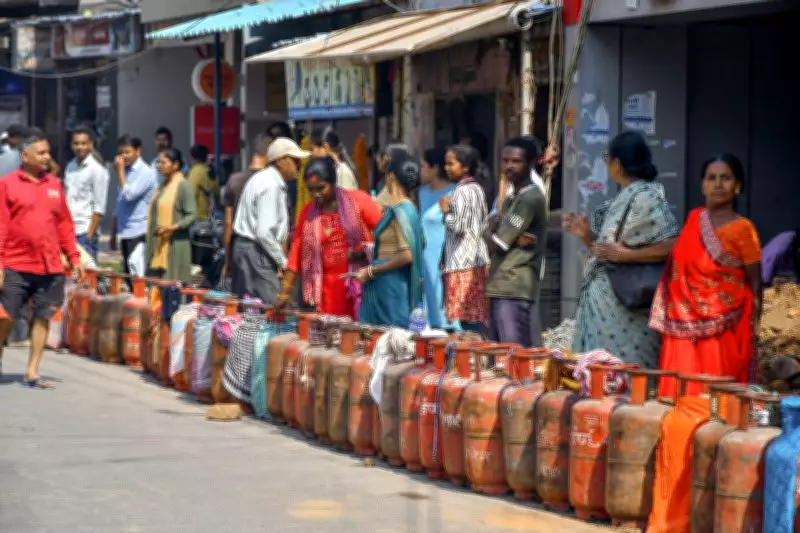
The Chullah's Potential Comeback: A Shift in India's Cooking Fuel Landscape
India's ambitious push for clean cooking fuel through the Pradhan Mantri Ujjwala Yojana (PMUY), which has distributed over 100 million LPG connections since 2016, faces a significant challenge. Rising LPG prices and recent policy adjustments are prompting a potential resurgence of traditional chullahs, particularly in rural areas, raising concerns about health, environment, and energy access.
Rising Costs and Policy Shifts Fuel the Trend
The price of a 14.2-kg LPG cylinder has increased substantially in recent years, with domestic rates often exceeding Rs 1,000 in many states. This surge, driven by global market fluctuations and reduced subsidies, has made refills unaffordable for many low-income households. Concurrently, changes in subsidy structures and the gradual withdrawal of direct benefit transfers have exacerbated the financial burden, leading families to reconsider cheaper alternatives like firewood or biomass chullahs.
Health and Environmental Implications: A return to chullahs could reverse gains in public health, as traditional stoves emit harmful pollutants linked to respiratory diseases. The World Health Organization estimates that household air pollution from solid fuels causes over 1 million premature deaths annually in India. Environmentally, increased biomass use may strain local resources and contribute to deforestation, undermining sustainability goals.

Impact on Rural Households and Women
Rural communities, where over 70% of India's population relies on traditional fuels, are disproportionately affected. Women, who typically manage cooking, face heightened exposure to smoke, increasing health risks. The economic strain forces difficult trade-offs, with families prioritizing food and other essentials over clean fuel, despite awareness of its benefits.
Policy Responses and Alternatives: The government has introduced measures like targeted subsidies and refill incentives under PMUY, but implementation gaps persist. Experts advocate for enhanced support, such as income-linked subsidies or promoting alternative clean fuels like biogas and solar cookers. Community-based initiatives and awareness campaigns are also crucial to sustain behavioral change.
Broader Energy and Economic Context
This trend reflects broader issues in India's energy sector, including dependency on imported LPG and the need for diversified solutions. The potential chullah comeback highlights the tension between affordability and sustainability, urging a reevaluation of energy policies to balance economic realities with health and environmental priorities.
In summary, while India has made strides in clean cooking access, rising costs and policy challenges threaten to revive chullah use. Addressing this requires integrated strategies that ensure affordability, promote alternatives, and safeguard public health, ensuring that progress toward clean energy does not unravel.






