

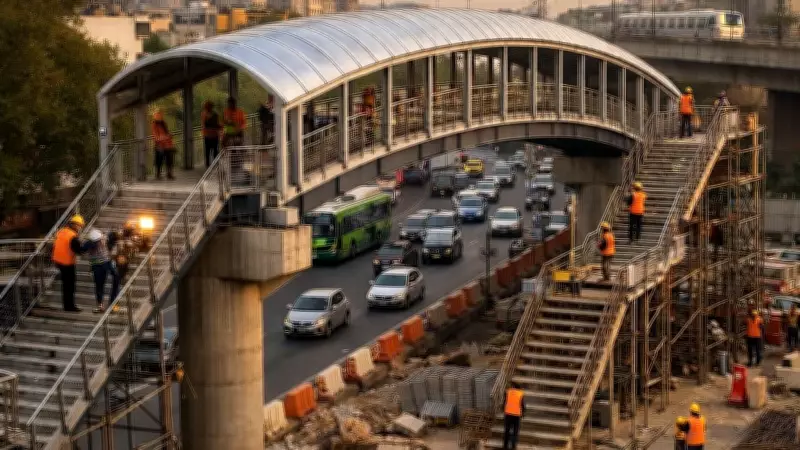
The national capital is poised for a significant upgrade in pedestrian infrastructure with the announcement of eight new footover bridges. This development comes as part of ongoing efforts to enhance urban mobility and safety for residents and visitors alike.
Strategic Locations for Enhanced Connectivity
The new footover bridges will be strategically positioned across Delhi to address high-traffic areas and improve pedestrian flow. While specific locations are yet to be fully detailed, preliminary reports indicate they will be situated near major intersections, commercial hubs, and public transport nodes to maximize utility.
Expected Benefits for Pedestrians
According to ministry officials, these footover bridges are expected to provide substantial relief by easing congestion on busy roads. By offering safe crossing points, they aim to reduce pedestrian-vehicle conflicts and enhance overall traffic management in the city.

The infrastructure improvement aligns with broader urban development goals, focusing on creating a more walkable and accessible Delhi. This initiative reflects a collaborative approach between various stakeholders, including local authorities and political entities.
Political and Administrative Context
The project has garnered attention from multiple political fronts, with both the AAP-led Delhi government and the Delhi BJP expressing support for such infrastructure enhancements. This bipartisan backing underscores the universal recognition of the need for better pedestrian facilities in the rapidly growing metropolis.
As Delhi continues to expand, investments in footover bridges are seen as crucial for sustainable urban planning. They not only facilitate safer crossings but also contribute to reducing pollution by encouraging walking over short vehicular trips.
Future Implications and Community Impact
The introduction of these eight footover bridges is anticipated to have a positive ripple effect on Delhi's urban landscape. Key expected outcomes include:
- Improved pedestrian safety and reduced accident risks
- Enhanced traffic flow and decreased congestion at peak hours
- Greater accessibility for elderly and differently-abled individuals
- Boost to local economies by improving connectivity to commercial areas
With the project timeline set for completion in the near future, residents can look forward to a more pedestrian-friendly environment. This move is part of a larger trend in Indian cities prioritizing non-motorized transport infrastructure to tackle urban challenges.






