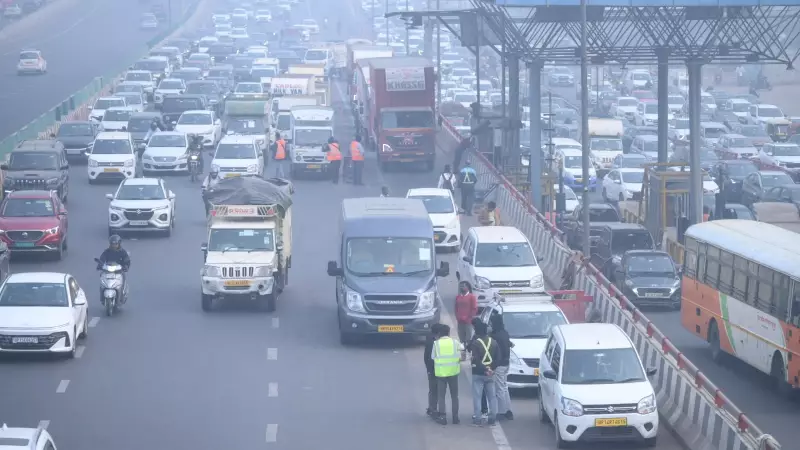
In a significant push to combat air pollution and accelerate electric mobility, the Delhi government is planning a direct financial incentive to encourage owners of old vehicles to convert them into electric vehicles (EVs). According to officials, a proposal under the upcoming EV Policy 2.0 includes a plan to provide Rs 50,000 each for the first 1,000 old vehicles that undergo retrofitting.
Boosting EV Adoption Through Retrofit Incentives
The move is designed to offer an alternative to citizens who do not wish to scrap their ageing vehicles or sell them outside the city. Retrofitting involves removing the conventional internal combustion engine (ICE) and replacing it with a battery-operated electric kit. An official stated that the plan is under consideration and a final decision will be taken after Cabinet approval. The draft EV Policy 2.0 is expected to be ready by March-April.
This initiative aims to address one of the key hurdles in retrofitting: high cost. "Many people do not go for retrofitting of vehicles because it is very expensive and comes at different prices for different models. Thus, the government is planning to propose these incentives so that a large number of people can re-use their vehicles instead of scrapping them," explained a senior official.

Luxury Car Owners and Pollution Norms
Officials noted that the scheme would particularly benefit owners of luxury and expensive cars, such as Mercedes or BMW, who are reluctant to sell or scrap their high-value investments for a low return. Currently, in Delhi, petrol vehicles older than 15 years and diesel vehicles older than 10 years are banned from plying on roads, based on orders from the National Green Tribunal (NGT) and the Supreme Court to curb pollution. Violators face challans or impounding.
Owners of such end-of-life vehicles (ELVs) currently have the option to scrap them at authorised facilities or obtain a No Objection Certificate (NOC) to sell them in other states. The new policy may also provide incentives for purchasing new electric cars after scrapping old ones at Registered Vehicle Scrapping Facilities (RVSFs).
Broader Ambitions of EV Policy 2.0
The Transport Department's draft policy outlines ambitious targets beyond retrofitting. It recommends a massive increase in the Research and Development (R&D) fund from Rs 5 crore to Rs 100 crore to support emerging technologies in batteries and chargers.
For electric two-wheelers, the government aims to increase their number in Delhi from 5 lakh to 12 lakh in the coming years. Officials project that with this target, Delhi could achieve 70% EV penetration in the two-wheeler segment within three years.
Other key recommendations include increasing the incentive per battery swapping station (including batteries) to Rs 6 lakh from the current Rs 1.2 lakh, and introducing a safety star rating for e-rickshaws and e-carts, which predominantly still use lead-acid batteries.
Former Transport Department official Anil Chikkara noted that converting old vehicles to electric would be beneficial for those who use their cars for limited purposes, but viability depends on the specific model and the kit's compatibility, including whether it includes a gearbox.