From Briefcase to Tablet: The Evolution of Budget Papers in India
The presentation of the Union Budget in India has undergone a remarkable transformation over the decades, evolving from traditional physical documents to modern digital formats. This journey reflects not only technological advancements but also cultural and symbolic shifts in the country's governance and economic narrative.
The Era of the Iconic Briefcase
For many years, the budget was presented using a leather briefcase, which became a powerful symbol of fiscal responsibility and governmental authority. Finance ministers would carry this briefcase, containing the crucial budget papers, to Parliament, often posing for photographs that captured the gravity of the occasion. The briefcase represented a formal, almost ceremonial approach to budget disclosure, emphasizing secrecy and tradition until the moment of unveiling.
Transition to the Bahi Khata
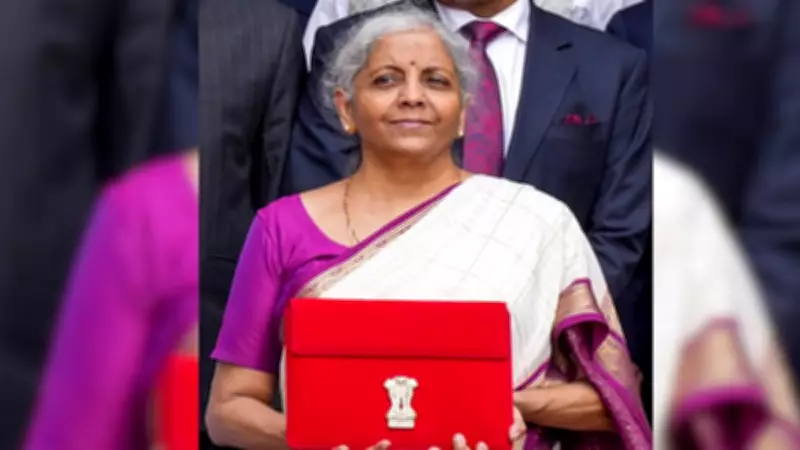
In a significant departure from colonial-era symbolism, the government introduced the bahi khata, a traditional Indian ledger, for budget presentations. This change marked a move towards indigenization and cultural pride, aligning the budget with India's heritage. The bahi khata, often wrapped in a red cloth, symbolized transparency and accountability, drawing from ancient accounting practices. It was seen as a step towards making the budget more relatable to the common citizen, though it still involved physical papers that were later digitized for public access.

Adoption of Digital Tablets
With the advent of digital technology, the budget presentation has embraced tablets, eliminating the need for physical papers altogether. This shift, particularly evident in recent years including Budget 2026, promotes efficiency, sustainability, and real-time accessibility. Finance ministers now use tablets to display and present the budget, allowing for instant updates and reducing paper waste. This move aligns with global trends towards digital governance and supports India's initiatives like Digital India, making budget documents available online immediately after the speech.
Key Milestones in Budget Evolution
- Pre-Independence to 1990s: Reliance on briefcases and printed documents, with limited public access post-presentation.
- Early 2000s: Gradual digitization begins, with budget papers uploaded online after the speech.
- 2010s: Introduction of the bahi khata as a symbolic gesture, blending tradition with modern needs.
- 2020s Onwards: Full transition to tablets and digital platforms, enhancing transparency and environmental sustainability.
Implications for Budget 2026 and Beyond
The evolution from briefcase to tablet signifies a broader shift in how economic policies are communicated and implemented in India. For Budget 2026, this means faster dissemination of information, reduced logistical challenges, and greater engagement with tech-savvy citizens. It also reflects the government's commitment to innovation and adaptability in fiscal management. As technology continues to advance, future budgets may incorporate even more interactive and accessible formats, further democratizing economic discourse.
In summary, the journey of budget papers in India is a testament to the country's progress from colonial legacies to digital empowerment. Each stage—briefcase, bahi khata, and tablet—has left its mark on the nation's economic history, shaping how budgets are perceived and utilized by policymakers and the public alike.