

Government Directs States to Lift Foodgrains Three Months in Advance
In a significant move to address storage constraints, the government has issued a directive to all states and Union Territories (UTs) to lift rice and wheat from the Central Pool under the free foodgrain scheme for three months in advance, up to June 2026. This instruction mandates immediate distribution of these foodgrains to beneficiaries, aiming to alleviate the pressure on government warehouses that are currently overflowing with stocks.
Addressing Storage Bottlenecks Ahead of Procurement Season
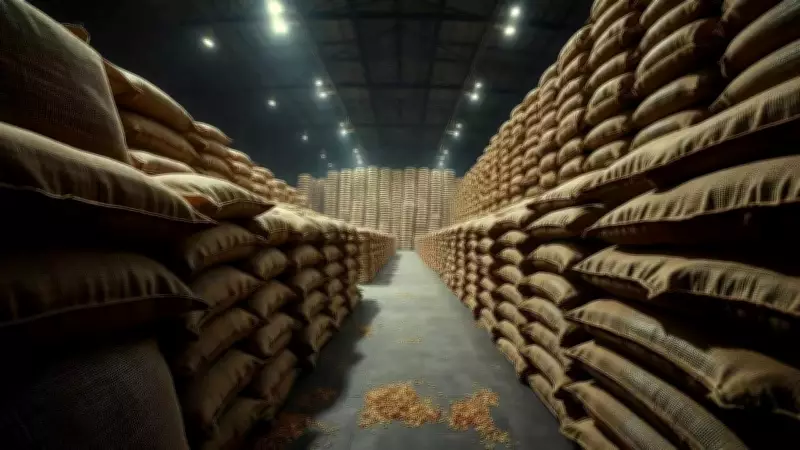
The decision comes as government warehouses are brimming with rice and wheat stocks, leaving little space for storing the fresh procurement of wheat, which is set to begin in the coming weeks. The Food Ministry, in a communication to state food secretaries, emphasized that this advance lifting is necessary to overcome logistical and storage bottlenecks anticipated during the upcoming procurement season.
"In view of the upcoming procurement season in the country and consequent bottlenecks faced by states/UTs for efficient logistics and storage, it has been decided that states/UTs will lift the foodgrains allocated up to June 2026 under the National Food Security Act (NFSA) in advance and distribute them among the beneficiaries immediately," the ministry stated.

FCI's Role and Current Stock Levels
The directive also includes instructions for the Food Corporation of India (FCI) to ensure sufficient availability of foodgrains in its godowns. FCI has been tasked with coordinating with states to facilitate the necessary steps for the advance lifting of foodgrains. As of the latest data, FCI holds a rice stock of 37.2 million tonnes (MT) and a wheat stock of 23.5 MT.
Officials revealed that the combined stock of rice and wheat stands at approximately 60.7 MT, which is a staggering 185% more than the required buffer of 21 MT as of April 1. This figure excludes around 39 MT of rice that is yet to be received from millers, highlighting the extent of the storage surplus.
Dual Benefits of Advance Distribution
The advance one-time distribution of foodgrains to over 80 crore beneficiaries is expected to serve a dual purpose. Firstly, it will increase space availability for storing freshly procured foodgrains, which is crucial as the procurement season approaches. Secondly, it will reduce stress on the supply chain, particularly at a time when the government is working to manage energy-related issues stemming from the ongoing conflict in West Asia.
Challenges with Rising Rice Stocks
Despite government efforts to offload rice in the open market, provide liberal allocations to states, and even supply it for ethanol manufacturing, rice stocks in the central pool continue to rise. This trend is attributed to the current open-ended policy for procurement, which has led to an accumulation of stocks beyond anticipated levels.
This proactive measure by the government underscores its commitment to ensuring food security while addressing practical challenges in storage and logistics, especially in light of global uncertainties and domestic agricultural cycles.






