

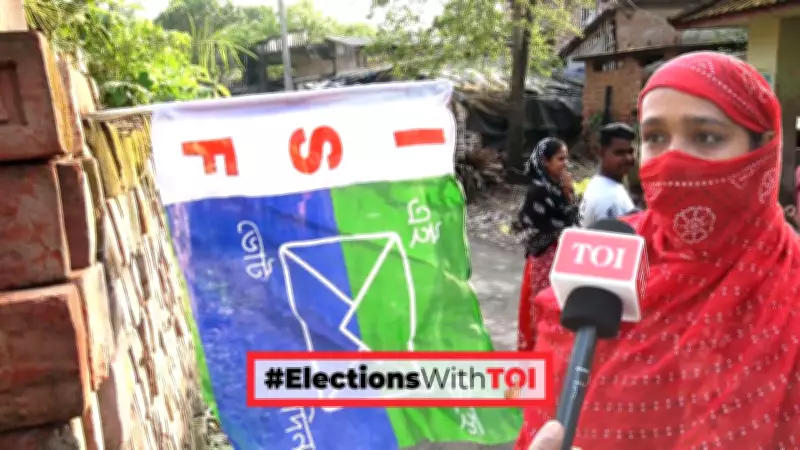
Bhangar, a politically sensitive constituency on the outskirts of Greater Kolkata, has once again become a high-stakes electoral battleground. The seat, which witnessed unrest in 2017 and saw the Indian Secular Front (ISF) achieve a breakthrough victory in 2021, remains a symbol of resistance politics and an organisational challenge to the ruling Trinamool Congress (TMC).
The Key Contestants
This time, ISF candidate Naushad Siddiqui faces a strong challenge from TMC's Saokat Molla. The contest is shaped by both ground realities and political narratives, with voters deeply divided over issues of governance and development.
Ground-Level Concerns
Residents have raised serious concerns about poor road conditions, drinking water shortages, delays in housing schemes, rising farming costs, and the inconsistent delivery of welfare programmes. These issues have become central to the electoral discourse, with many voters expressing frustration over the lack of basic amenities.

The SIR Controversy
Adding to the tension is the Special Intensive Revision (SIR) of voter lists, which has sparked allegations of voter name deletions and fears of unequal scrutiny in parts of the constituency. While some voters appreciate the accessibility and local engagement of candidates, others point to governance and delivery failures under the current political structure.
Political Polarisation
With divided loyalties, welfare dependence, and rising political polarisation, Bhangar is set to remain one of the most closely watched battlegrounds in Bengal politics. The outcome of this contest could have significant implications for the broader political landscape in the state.






