Government Implements Ban on LPG Cylinders for Households with PNG Connections
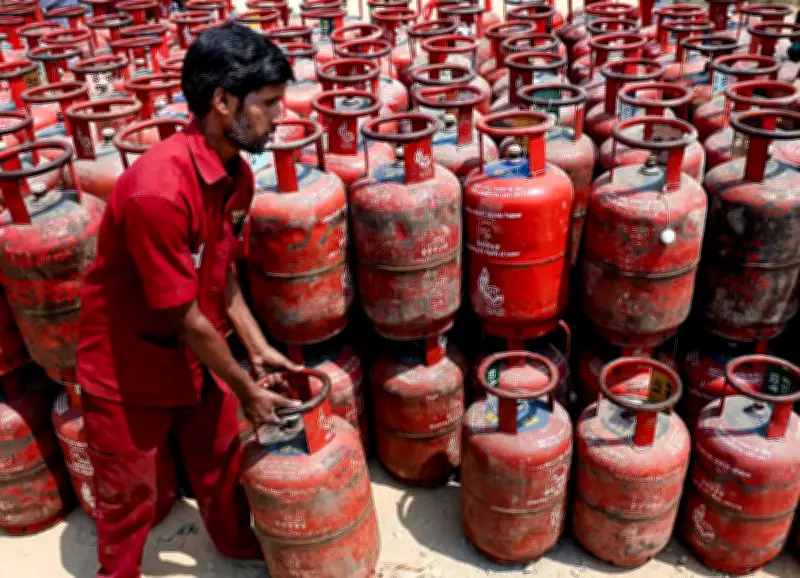
Amid a severe LPG supply crunch and escalating panic bookings, the Indian government has taken decisive action by banning domestic LPG cylinders for households that already have Piped Natural Gas (PNG) connections. This move, announced on Saturday, aims to streamline fuel distribution and curb the misuse of subsidised resources.
Regulatory Amendment to Prevent Duplication
The Ministry of Petroleum and Natural Gas issued a notification amending the LPG Regulation of Supply and Distribution Order. Under the new regulation, households with PNG connections are now ineligible for domestic LPG cylinders. Officials have clarified that this step is designed to prevent duplication of domestic cooking fuel connections, ensuring that subsidised benefits are not exploited.
The primary objective is to enhance the efficiency of LPG distribution, particularly in regions where piped natural gas infrastructure is already established. By requiring PNG users to surrender their domestic LPG connections, the government hopes to alleviate the supply pressure and direct resources to areas in greater need.

Addressing the Supply Crisis
The decision comes at a critical time as the country grapples with an LPG supply shortage. Reports indicate that panic booking has intensified, exacerbating the distribution challenges. The government's intervention is seen as a necessary measure to stabilise the situation and ensure equitable access to cooking fuel.
Sources within the ministry have emphasised that this policy will help optimise fuel allocation, reducing wastage and improving service delivery. Households affected by the ban are expected to transition fully to PNG, which offers a continuous and reliable supply of natural gas for cooking purposes.
Impact on Households and Future Steps
While the ban may inconvenience some households, authorities believe it will lead to long-term benefits by streamlining the energy sector. The government is also likely to monitor the implementation closely to address any operational hurdles and ensure a smooth transition for consumers.
This policy shift underscores the government's commitment to sustainable energy management and efficient resource utilisation. As the situation evolves, further updates and clarifications may be issued to guide affected households through the process.