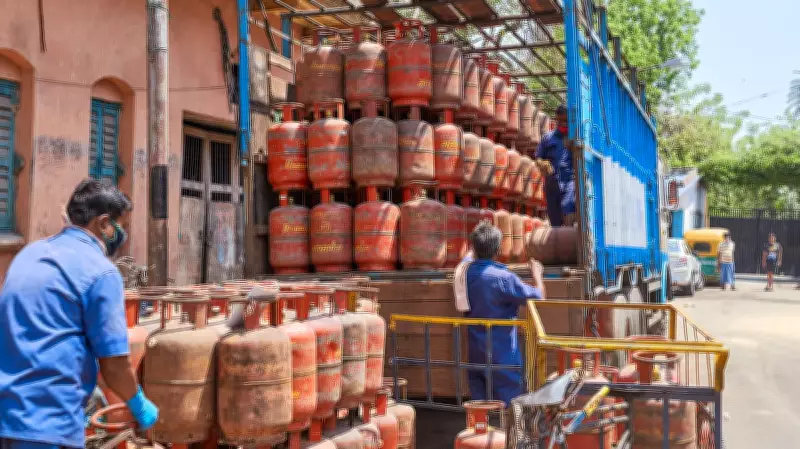
Government Prioritizes LPG, CNG, and Piped Cooking Gas Supply for Households
The Indian government has announced a strategic focus on prioritizing the supply of LPG (liquefied petroleum gas), CNG (compressed natural gas), and piped cooking gas to households across the country. This initiative aims to ensure a reliable and consistent energy source for cooking, addressing both urban and rural needs.
Enhancing Energy Security and Reducing Dependency
By emphasizing these cleaner fuels, the government seeks to enhance energy security and reduce dependency on traditional and polluting fuels like firewood and coal. This move is part of broader efforts to promote sustainable energy practices and improve air quality in residential areas.
The prioritization involves streamlining distribution networks and increasing production capacities to meet growing demand. Authorities are working closely with oil and gas companies to optimize supply chains and minimize disruptions.

Benefits for Households and the Environment
Households are expected to benefit from more accessible and affordable cooking gas options, which can lead to improved health outcomes by reducing indoor air pollution. Additionally, the shift to LPG, CNG, and piped gas supports environmental goals by lowering carbon emissions compared to conventional fuels.
The government's plan includes expanding infrastructure for piped gas networks in urban centers and enhancing LPG cylinder distribution in remote regions. This dual approach ensures that both densely populated cities and isolated villages have access to modern cooking solutions.
Future Outlook and Implementation
Looking ahead, the government aims to accelerate the adoption of these fuels through subsidies and awareness campaigns. By prioritizing supply, it hopes to make clean cooking energy a standard feature in Indian homes, contributing to national development and public welfare.
This initiative aligns with global trends towards sustainable energy and reflects India's commitment to energy independence and environmental stewardship. Stakeholders, including consumers and industry players, are encouraged to support these efforts for a greener future.