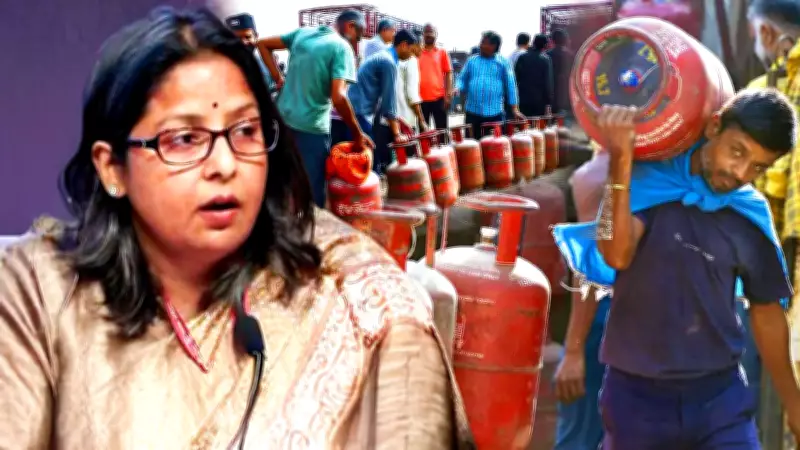
Government Encourages Transition From LPG To PNG For Cleaner Energy
In a significant move toward enhancing energy efficiency and promoting cleaner fuel alternatives, the Indian government is actively encouraging a nationwide shift from traditional Liquefied Petroleum Gas cylinders to Piped Natural Gas. This initiative forms part of a broader strategy to modernize the country's energy infrastructure while addressing environmental concerns.
Assurances of Uninterrupted LPG Supply Across India
Petroleum Ministry officials have provided firm reassurances regarding the stability of LPG supply throughout the country. They emphasize that there is no imminent risk of shortages or dry-out situations at fuel distribution points, including pumps and distributorships. This assurance aims to alleviate any potential concerns among current LPG users while the transition to PNG is being promoted.
Targeted Push for Commercial Users in PNG-Ready Areas
The government's campaign particularly focuses on commercial establishments located in regions where PNG infrastructure is already established. Businesses in these areas are being strongly encouraged to make the switch to pipeline gas, which would help reduce pressure on the existing LPG demand. This targeted approach allows for a more efficient transition while maintaining energy accessibility.

Several major gas distribution companies are rolling out attractive incentives to encourage adoption of PNG services. Industry leaders including Indraprastha Gas Limited, GAIL, and Bharat Petroleum are among those offering promotional benefits to new consumers. These incentives are designed to make the transition financially appealing while supporting the government's clean energy objectives.
Advantages of PNG Over Traditional LPG Systems
Piped Natural Gas offers several distinct advantages that make it an attractive alternative to conventional LPG cylinders:
- Enhanced convenience through direct pipeline supply, eliminating the need for cylinder storage and delivery logistics
- Cleaner combustion with reduced environmental impact compared to other fossil fuels
- Improved safety by removing the risks associated with cylinder handling and storage
- Continuous supply without the interruptions that can occur with cylinder-based systems
Alignment with National Energy Infrastructure Expansion
This push toward PNG adoption aligns seamlessly with India's comprehensive plan to expand city gas distribution networks across urban and semi-urban areas. The transition is expected to strengthen overall fuel supply efficiency while supporting the country's commitment to cleaner energy adoption on a national scale.
Officials project that this strategic shift will contribute significantly to India's energy security goals while reducing the carbon footprint associated with traditional fuel distribution methods. The initiative represents a forward-looking approach to energy management that balances immediate supply concerns with long-term sustainability objectives.