

Gujarat Government Announces Major Investment in Bio-CNG Infrastructure
In a significant move towards sustainable energy, the Gujarat government has allocated a substantial sum of Rs 60 crore in the state budget for the fiscal year 2026-27. This funding is specifically designated for the establishment of new bio-CNG plants, which will be implemented through milk cooperative societies across the state. The announcement was made official on Thursday, highlighting the state's commitment to renewable energy initiatives.
Phased Implementation of Bio-CNG Plants
According to an official statement released by the government, detailed plans have been formulated to set up a total of 10 bio-CNG plants in a phased manner. These facilities will be strategically located throughout Gujarat to maximize efficiency and accessibility. The initiative aims to leverage organic waste, including cow dung, agricultural residues, and food waste, converting it into compressed biogas. This biogas has versatile applications, serving as a clean fuel for transportation and industrial processes, thereby reducing reliance on fossil fuels.
Banas Dairy Model: A National Blueprint
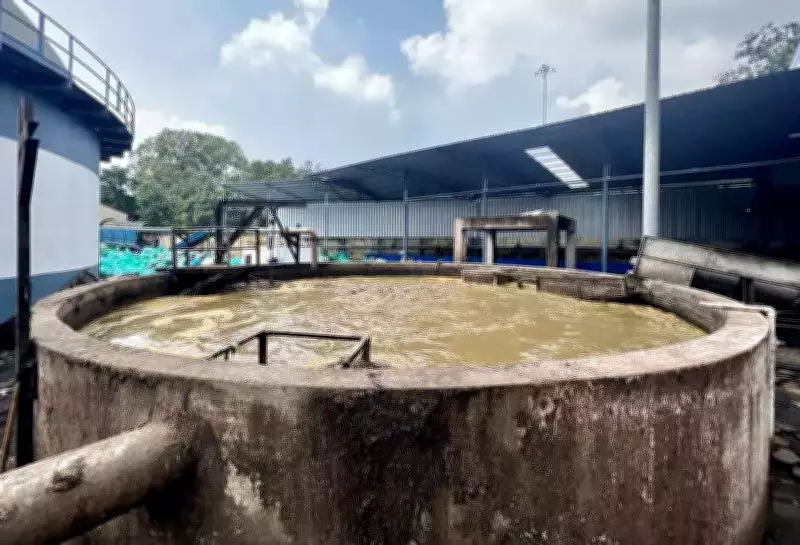
The statement further elaborated that the Banas bio-CNG plant model, operational in Banaskantha district, has gained national recognition. Through collaborative efforts between the Union Jal Shakti Ministry and the Cooperation Ministry, this model is now being adopted by nearly 15 states across India. The project, spearheaded by Banas Dairy, focuses on transforming organic waste into two valuable products: clean energy and organic fertilisers. The plant has been functioning effectively for the past six years, with a daily processing capacity of 40 metric tonnes of dung.

Expansion and Economic Benefits
In a recent development, the government sanctioned five additional bio-CNG plants in Banaskantha district. Of these, two have already become operational, and construction is underway for a third facility. Each of these new plants is designed to process approximately 100 metric tonnes of dung per day. This expansion not only boosts energy production but also provides economic support to local farmers. Farmers are compensated at a rate of Re 1 per kilogramme of dung supplied, offering an additional income stream to around 500 animal husbandry practitioners in the region.
Daily Output and Revenue Generation
The bio-CNG plants demonstrate impressive daily outputs. Approximately 1,800 kilogrammes of compressed biogas (CNG) are produced each day, which is then marketed at a price of around Rs 75 per kilogramme. Additionally, the plants yield about 25 metric tonnes of solid organic fertiliser and 75 metric tonnes of liquid organic fertiliser daily. These fertilisers are sold at Rs 6 per kilogramme and Rs 0.50 per kilogramme, respectively. This production generates a daily revenue of Rs 3 lakh for the plant, showcasing the economic viability of the model alongside its environmental benefits.
This initiative underscores Gujarat's proactive approach in promoting green energy solutions and supporting rural economies through innovative waste-to-energy projects.






