Haryana Reviews Rabi Crop Procurement Plans for 2026-27 Season
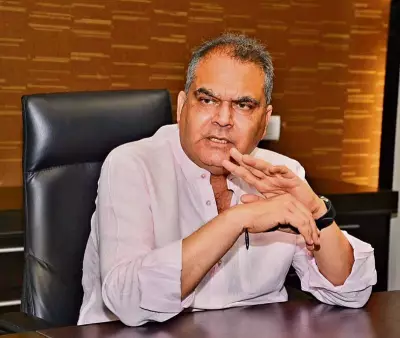
In Chandigarh, Haryana Chief Secretary Anurag Rastogi led a comprehensive review meeting on Tuesday to evaluate the arrangements for procuring key Rabi crops under the Price Support Scheme (PSS) for the upcoming 2026-27 marketing season. The session focused on ensuring a seamless, transparent, and farmer-centric procurement process across the state.
Procurement Schedule and Crop Details
The meeting meticulously reviewed the procurement timelines for various crops. According to the schedule, lentils will be procured from March 20 to April 30, mustard from March 28 to May 1, gram from April 1 to May 10, summer moong from May 15 to June 20, and sunflower from June 1 to June 30. This structured approach aims to facilitate organized and efficient operations.
Officials reported encouraging growth in the area under cultivation and production for the 2025-26 period. Mustard production is anticipated to reach 13.17 lakh metric tonnes, while sunflower is projected at 0.70 lakh metric tonnes. Gram and lentil outputs also showed improvement, with summer moong estimated at 98 thousand metric tonnes. Rastogi expressed satisfaction with these higher production estimates and emphasized the need for timely procurement to ensure farmers receive remunerative prices without delays.

Minimum Support Price and Procurement Norms
The review also covered the Minimum Support Price (MSP) for the current season. The fixed MSP rates are as follows: mustard at Rs 6,200 per quintal, gram at Rs 5,875 per quintal, lentil at Rs 7,000 per quintal, sunflower at Rs 7,721 per quintal, and summer moong at Rs 8,768 per quintal. Rastogi directed officers to enhance awareness among farmers regarding these MSP rates and the procurement procedures to maximize participation and benefits.
Reflecting on past performance, officials noted that Haryana has consistently ensured effective procurement under the PSS. In 2024-25, over 8.12 lakh metric tonnes of mustard were procured, and for 2025-26, procurement processes are being streamlined in alignment with Government of India approvals.
Strategic Directives for Enhanced Procurement
Rastogi issued several directives to optimize procurement operations. Agencies were instructed to strictly adhere to prescribed norms, including the 25% procurement limit under the PSS, while making necessary financial provisions if procurement exceeds this ceiling to safeguard farmer interests. He stressed the importance of timely submission of undertakings to the Government of India, nomination of procurement agencies such as HAFED and HSWC, identification of mandis and procurement centers, and installation of Point of Sale (PoS) machines to ensure transparency and efficiency.
Additionally, Rastogi emphasized the need for adequate infrastructure, manpower, and logistics to be established well before the procurement season begins. These measures are designed to prevent bottlenecks and ensure a smooth workflow, ultimately supporting the agricultural community in Haryana.