

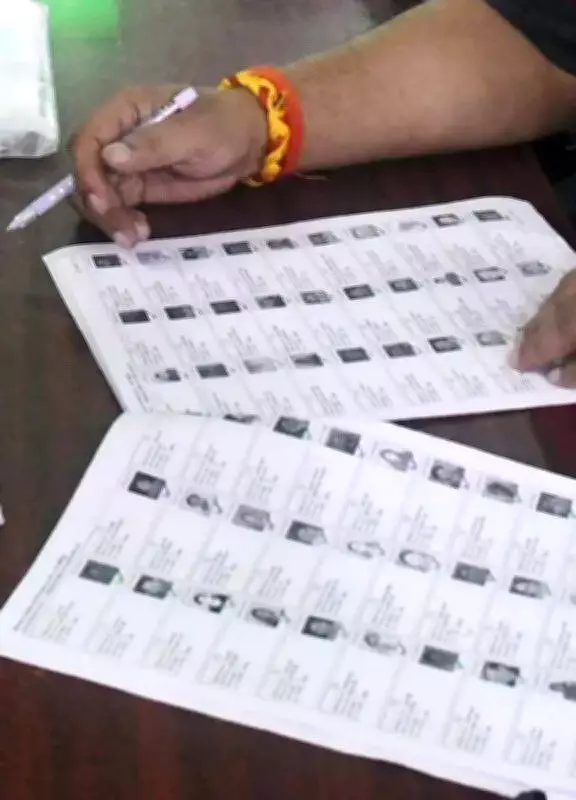
Chandigarh: Haryana will begin a statewide special intensive revision (SIR) of electoral rolls from Monday, with 20,629 booth-level officers (BLOs) undertaking door-to-door verification of voters and collecting enumeration forms until July 14, chief electoral officer (CEO) A Sreenivas announced on Sunday.
The exercise, being carried out under the Election Commission of India's directions, aims to update and strengthen the state's voter database. Haryana currently has 2.06 crore registered voters and 20,629 polling stations.
Door-to-Door Verification Process
Sreenivas said BLOs will visit every household to verify voter details. Voters who do not submit completed enumeration forms will not be included in the draft electoral roll. To maximise coverage, BLOs will make at least three visits to each household. If residents are unavailable, forms will be left at the premises along with the BLO's contact details.

Documents Required for Verification
The Election Commission has prescribed 11 categories of documents for voter verification, including government-issued identity cards, pension documents, birth certificates, passports, educational certificates, domicile certificates, caste certificates, family registers, and land or house allotment records. These will be required where verification cannot be completed through existing official records.
Enrolment for New Voters
Citizens turning 18 on July 1, 2026, can apply for enrolment by submitting Form 6 along with the required declaration and supporting documents.
Schedule for Revision
As per the schedule, the draft electoral roll will be published on July 21. Claims and objections can be filed between July 21 and August 20, with disposal of cases by September 18. The final electoral roll will be published on September 22.
First Statewide Drive Since 2002
Describing it as Haryana's first statewide house-to-house voter verification drive since 2002, Sreenivas said the exercise is intended to ensure inclusion of all eligible voters while updating records of deceased and shifted electors. He said 64.7% of the mapping work has already been completed.
Help desks have been set up at the assembly constituency level and call centres at the district level. Citizens can also seek assistance through the Election Commission's helpline, 1950.






