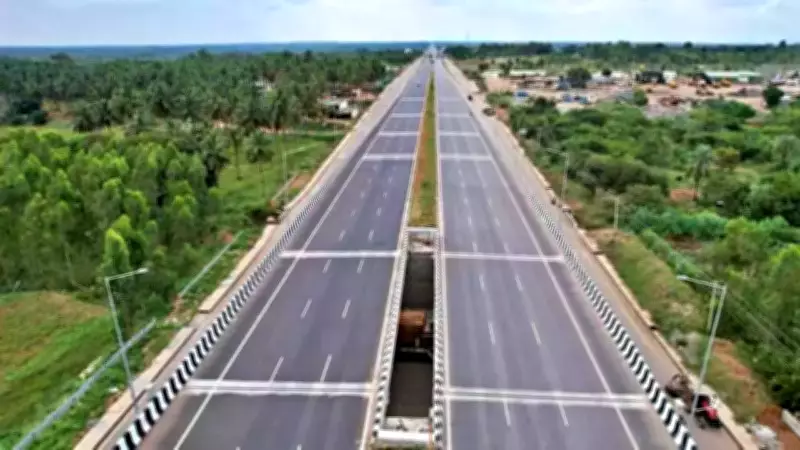
Over the past ten years, India's highways sector has undergone a remarkable transformation, accelerating at an unprecedented rate. The budgetary allocation for roads surpassed an impressive ₹2.8 lakh crore in the fiscal year 2025, with projections indicating that this elevated level of funding is likely to continue into FY26 as well.
Key Expectations from the Upcoming Budget
1. Quality: Invest in People and Mechanisation, Not Just Pavements
The most visible measure of efficiency in highway development is the quality and timely delivery of projects. While technical specifications, stricter codes, and contractual penalties are essential, they are not sufficient on their own. The real challenge today lies in the availability of skilled talent, proficient workmanship, and the industry's capacity to scale up mechanisation.
By 2030, talent and skill development in the construction industry is expected to become one of the most critical areas of concern. Therefore, the budget should actively support industry-wide capability building. This can be achieved through training programmes directly linked to highway projects, fiscal incentives for mechanisation and modern construction technologies—such as equipment pooling and leasing organisations—and structured skilling initiatives for operation and maintenance.

Without such focused efforts, stricter specifications may only lead to increased claims and disputes, undermining project success.
2. OpEx: Move Beyond the 'Build, Neglect and Rebuild' Model
India's infrastructure planning has traditionally been capital-heavy, with operating expenditure constituting only a small fraction of the total outlay. Although the National Highways Authority of India's performance rating system takes positive steps towards incentivising concessionaires to prioritise maintenance, similar metrics need to be implemented across the NHAI-managed network.
A more efficient investment system would emphasise higher lifecycle spending, with a clear target: increasing the share of OpEx to approximately 20–25% of the total highway outlay by 2030. This shift aims to minimise the need for rebuilding and preserve existing infrastructure.
The budget can accelerate this transition by ring-fencing maintenance allocations for critical corridors, expanding performance-based operation and maintenance contracts, and creating incentives for states and concessionaires to invest in long-term maintenance rather than short-term fixes.
Every rupee spent on timely maintenance not only saves millions in reconstruction and logistics costs but also has the potential to create an entirely new industry, generating significant employment opportunities.
3. The Bharatmala Pariyojana
The Bharatmala Pariyojana is a well-conceived, transformational, corridor-based programme. By focusing on project completion through dedicated task forces and prioritising projects that are more than 80% complete for targeted funding, the programme can unlock substantial value. Fast-tracking processes such as land acquisition and clearances is crucial in this regard.
Currently, the sector celebrates kilometres awarded or constructed. It would be beneficial to introduce completion-centric metrics, such as projects commissioned, corridors fully operational, and economic benefits realised, to better gauge progress and impact.
4. Rethinking L1: Reform Procurement to Reward Sustainability and Innovation
The L1 bidding system has long defined the highways sector. While competition is encouraged, excessive competition can be counterproductive, often turning bids into contests of supply-chain leverage and speculative risk-taking rather than fostering design ingenuity or productivity improvements.
This approach raises the 'transaction cost of trust,' involving extensive documentation, micro-level specifications, and adversarial contracting, which adversely affects both public and private stakeholders. There is a pressing need to shift from being 'price conscious' to becoming 'value conscious.'
This entails moving from input to output or performance specifications wherever possible, encouraging innovation, and ensuring accountability through thorough monitoring. For large projects, organisations should go beyond simple pass or fail criteria-based qualification and conduct adequate due diligence checks for bidders.

Mechanisms should be created to disincentivise aggressive bidding, which can lead to false starts and delays in service delivery to citizens. Procurement reform is not about making projects more expensive; it is about paying for durability, reliability, and innovation rather than unsustainable low bids that often result in delays, disputes, and renegotiations.
5. Financial Products and Credit Enhancements: Unlock Capital Beyond Traditional Banks
Infrastructure financing in India still relies heavily on domestic banks and conventional project finance structures. These institutions, constrained by sectoral caps and risk aversion, are understandably cautious, particularly regarding models with demand risk, such as build-operate-transfer and other traffic-linked concessions.
Simultaneously, international project finance and long-term capital remain under-tapped, partly due to currency risk, limited credit enhancement mechanisms, and insufficient depth in domestic bond and guarantee markets.
Although the establishment of the National Bank for Financing Infrastructure and Development represents a major step forward, it cannot alone meet the financing needs of a rapidly expanding infrastructure pipeline. Therefore, the budget should focus on enabling a broader ecosystem of financial products without the government becoming a direct lender of first resort.
This includes incentivising the market for expanding guarantee and insurance instruments to de-risk projects, facilitating cost-effective currency hedging products, and encouraging innovative credit enhancement mechanisms that go beyond promoter guarantees. Such instruments can attract both domestic and international capital at scale by enabling effective risk mitigation.
If the budget can pivot the highways sector in these five strategic directions, India's investments over the next decade will be far more productive, sustainable, and impactful, driving long-term economic growth and infrastructure excellence.