

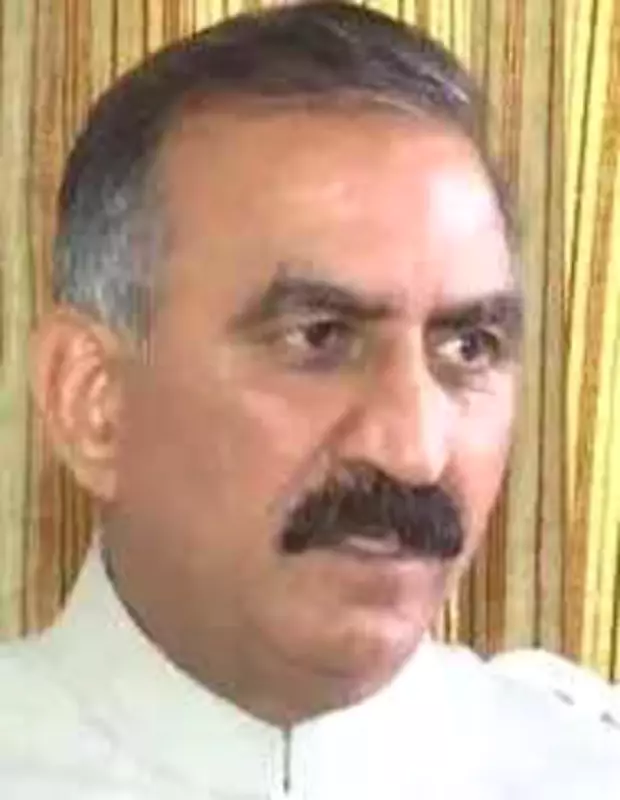
Shimla: In a significant move to strengthen social welfare initiatives, Himachal Pradesh Chief Minister Sukhvinder Singh Sukhu has directed the rural development and panchayati raj department to commence the fourth phase of the Below Poverty Line (BPL) identification survey from February 1, 2024. This announcement came during a high-level departmental meeting held on Saturday, underscoring the government's renewed focus on inclusive development.
Comprehensive Survey to Ensure No Family is Left Behind
Addressing officials at the meeting, CM Sukhu emphasised the administration's unwavering commitment to ensuring that every eligible family across the state is accurately identified and included in the BPL list. This crucial step will enable these households to access various state and central government welfare schemes designed to uplift economically disadvantaged sections of society.
The BPL survey, being conducted in five systematic phases, aims to create a comprehensive database that leaves no deserving family excluded from social security benefits. The meticulous approach reflects the government's dedication to data-driven governance and targeted poverty alleviation.

Progress So Far: Over 59,000 Families Already Identified
The first three phases of this extensive survey have already yielded substantial results, with 59,829 families across Himachal Pradesh being successfully added to the BPL list. This demonstrates the scale and importance of this ongoing identification process.
A district-wise breakdown reveals the current distribution of BPL families identified thus far:
- Chamba district leads with 13,786 BPL families
- Mandi follows closely with 12,045 such families
- Kangra has identified 10,807 BPL households
- Una accounts for 5,869 families
- Shimla district has 4,522 BPL families
- Hamirpur includes 3,480 identified families
- Bilaspur has 2,204 BPL households
- Kullu district accounts for 2,957 families
- Solan has identified 1,567 BPL households
- Sirmaur includes 1,277 families
- Kinnaur has 1,109 BPL households
- Lahaul-Spiti accounts for 206 identified families
Detailed Eligibility Criteria for BPL Inclusion
Chief Minister Sukhu outlined the comprehensive criteria that will determine inclusion in the BPL list, ensuring a humane and inclusive approach to poverty identification:
- Age-based categories: Orphans up to 27 years of age, households with elderly members above 59 years, and families with disabled members aged between 27-59 years.
- Gender and disability considerations: Women-headed households without adult male members, and households headed by persons with 50% or more disability.
- Employment parameters: Families that have worked at least 100 days under the Mahatma Gandhi National Rural Employment Guarantee Act (MGNREGA) in the previous financial year.
- Health conditions: Households where earning members suffer from chronic diseases including cancer, Alzheimer's, Parkinson's disease, muscular dystrophy, haemophilia, or any other condition resulting in permanent disability.
- Housing status: Those living in concrete houses constructed with government housing assistance will also be considered for BPL inclusion.
High-Level Participation in Crucial Meeting
The important meeting witnessed participation from key stakeholders including Rural Development and Panchayati Raj Minister Anirudh Singh, MLA Chander Shekhar, and several senior officers from relevant departments. Their collective presence underscores the cross-departmental coordination essential for the successful implementation of this ambitious survey.
This fourth phase of the BPL identification survey represents a critical step in Himachal Pradesh's ongoing efforts to create a more equitable society where welfare benefits reach those who need them most. The systematic approach, combined with clearly defined eligibility parameters, sets a promising precedent for other states to follow in their poverty alleviation initiatives.






