

India Mandates Toll Clearance for Vehicle Transfer and Fitness Certificate in New Rule
The Indian government has implemented a significant regulatory change concerning toll collection on National Highways, marking a pivotal step toward achieving a more efficient and toll-free road system. The Ministry of Road Transport and Highways (MoRTH) has amended the Central Motor Vehicles Rules of 2026 to address persistent issues related to toll payment evasion and ensure equitable contributions from all road users.
New Rule Links Toll Dues to Vehicle Administration Processes
Under the revised regulations, vehicle owners must now clear all outstanding toll taxes before completing two critical administrative procedures: the transfer of vehicle ownership and the issuance or renewal of a fitness certificate. This linkage is designed to integrate toll compliance seamlessly with essential legal processes, thereby closing loopholes that previously allowed evasion.
As reported by PTI, these rules apply universally to all road-going vehicles utilizing toll roads across the country. By enforcing mandatory toll clearance, the government aims to optimize compliance with user fees, enhance the efficiency of Electronic Toll Collection (ETC) systems, and discourage non-payment on National Highways. This strategic move is expected to foster a smoother, faster, and more seamless travel experience for commuters nationwide.

Electronic Toll Collection and Its Role in Modernizing Infrastructure
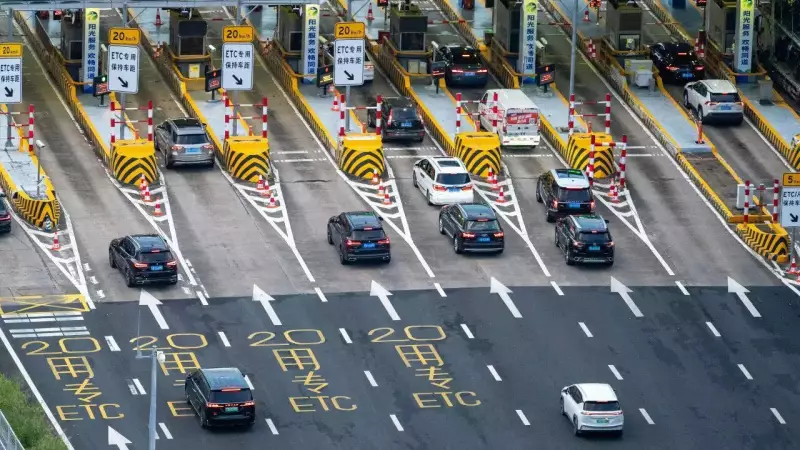
Electronic Toll Collection stands as a cornerstone of the Indian government's strategy to modernize highway infrastructure. ETC systems, which utilize RFID-enabled tags fitted in vehicles, enable automatic toll payments without congestion, eliminating the need for manual cash transactions at collection booths.
Despite these technological advancements, toll evasion has remained a persistent challenge. The new rule directly addresses this issue by making toll clearance a prerequisite for major vehicle-related administrative actions. This approach is anticipated to ensure timely payments, accelerate the adoption of cashless tolling, and ultimately reduce congestion at toll plazas.
Combating Toll Evasion Through Regulatory Measures
Toll evasion has been a significant concern on National Highways, with some vehicle owners attempting to avoid accumulated dues by transferring ownership or delaying administrative formalities. The proposed amendments effectively counter this problem by tying toll dues to fundamental processes required for every vehicle.
By imposing legal consequences for non-payment, the government underscores the non-negotiable nature of road use charges. This measure also promotes equity among all road users, emphasizing that everyone must contribute fairly to the development and maintenance of road infrastructure.
Implications and Responsibilities for Vehicle Owners
The new regulations introduce an additional layer of responsibility for vehicle owners. Individuals must now verify that all toll dues are cleared before proceeding with the sale of their vehicle or obtaining a fitness certificate. This requirement encourages regular monitoring of toll accounts and fosters greater accountability.
While this may initially be perceived as an extra procedural step, it aligns with the broader objective of establishing a seamless, transparent, efficient, and modern tolling system. Over the long term, this integration is likely to minimize disputes related to non-payment and contribute to a more streamlined administrative framework for vehicle management.






