Iran Conflict Presents 'Huge Opportunity' For India To Become Clean Energy Exporter: Amitabh Kant
Amitabh Kant, the former CEO of NITI Aayog, has articulated that the ongoing geopolitical tensions involving Iran underscore a critical strategic imperative for India to accelerate its transition toward clean energy. He emphasized that this situation presents a substantial opportunity for the nation to emerge as a leading global exporter of renewable energy.
Economic Vulnerability from Fossil Fuel Imports
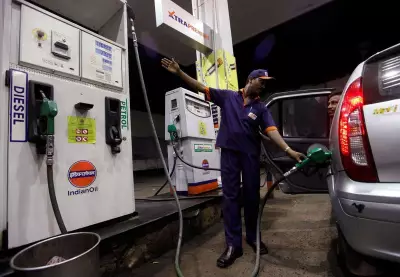
India currently imports nearly $240 billion worth of fossil fuels annually, making its economy highly susceptible to fluctuations in global crude oil prices. Kant pointed out that every $10 increase in crude prices adds approximately $15 billion to India's import bill, placing significant strain on the country's financial resources and trade balance.
This dependency not only impacts economic stability but also exposes India to geopolitical risks, as seen with the Iran conflict. By reducing reliance on imported fossil fuels through a robust expansion of renewable energy infrastructure, India can mitigate these vulnerabilities and enhance its energy security.

Pathway to Becoming a Global Clean Energy Exporter
Kant asserted that India possesses the necessary scale, resources, and technological capabilities to transform into a major clean energy exporter. To achieve this, he outlined several key strategies:
- Streamlining Approvals: Simplifying regulatory processes to fast-track renewable energy projects.
- Engaging Communities: Involving local populations in planning and implementation to ensure social acceptance and sustainability.
- Expanding Capacity: Significantly increasing solar and wind energy generation to meet domestic needs and create exportable surpluses.
International Support and Perspectives
Echoing Kant's views, Erik Solheim, former Environment Minister of Norway, highlighted India's potential on the global stage. He noted that with its vast market and innovative drive, India is well-positioned to lead in clean energy exports, provided it addresses bureaucratic hurdles and invests in scalable solutions.
Solheim added that international collaborations and knowledge sharing could further bolster India's efforts, turning geopolitical challenges into avenues for economic growth and environmental leadership.
Strategic Implications for India's Future
The Iran conflict serves as a catalyst for India to reassess its energy policies and prioritize renewable sources. By capitalizing on this 'huge opportunity,' India can not only reduce its import dependency but also contribute to global climate goals, positioning itself as a responsible and influential player in the international energy landscape.
This shift aligns with broader national objectives of sustainable development and economic resilience, making clean energy a cornerstone of India's strategic planning in the coming decades.