

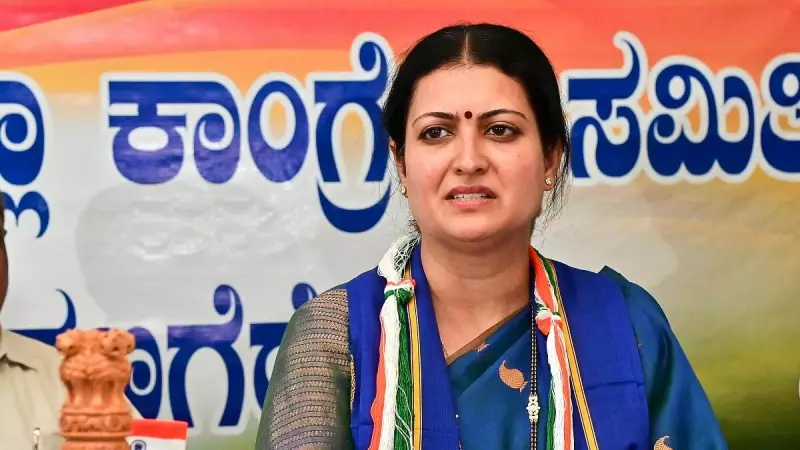
Karnataka MP Questions Centre's 11-Year Delay in Recognising MGNREGA Corruption
A Member of Parliament from Karnataka has raised sharp questions about the central government's handling of the Mahatma Gandhi National Rural Employment Guarantee Act (MGNREGA) scheme. The MP pointed out that it took the Centre a full 11 years to realise and acknowledge corruption within the programme. This delay has sparked concerns over the effectiveness of oversight mechanisms and the impact on rural communities.
MP Highlights Timeline of Inaction
The MP emphasised that MGNREGA, launched in 2005, is a critical scheme for providing rural employment and alleviating poverty. However, reports of corruption and fund mismanagement have surfaced over the years. The MP questioned why the central government only now, after more than a decade, is taking serious note of these issues. This timeline suggests a prolonged period of inaction that may have allowed malpractices to persist.
Implications for Rural Welfare
Corruption in MGNREGA can have severe consequences for rural households that depend on the scheme for livelihood support. The MP argued that delayed recognition of such problems undermines the scheme's goals and erodes public trust. Effective implementation is essential for ensuring that funds reach the intended beneficiaries and contribute to rural development.

Calls for Accountability and Reform
In response, the MP called for greater accountability from the central government. Key demands include:
- Transparent Audits: Regular and independent audits of MGNREGA funds to detect and prevent corruption early.
- Swift Action: Immediate measures to address identified issues rather than delayed responses.
- Stakeholder Involvement: Engaging local communities and authorities in monitoring the scheme's implementation.
The MP's remarks highlight a broader need for systemic reforms to safeguard public welfare schemes from corruption and ensure timely interventions.
Political and Administrative Reactions
This criticism comes amid ongoing debates about governance and corruption in India. The central government has defended its actions, citing recent steps to strengthen MGNREGA's oversight. However, the MP's questions underscore persistent challenges in balancing administrative efficiency with corruption control. The issue remains a focal point for political discourse and policy discussions.
As the debate continues, stakeholders are watching for concrete actions to improve MGNREGA's integrity and effectiveness. The MP's intervention serves as a reminder of the importance of vigilance and promptness in addressing corruption in public schemes.






