PM Modi Launches Meerut Metro and Namo Bharat Corridor, Boosting Uttar Pradesh's Urban Mobility
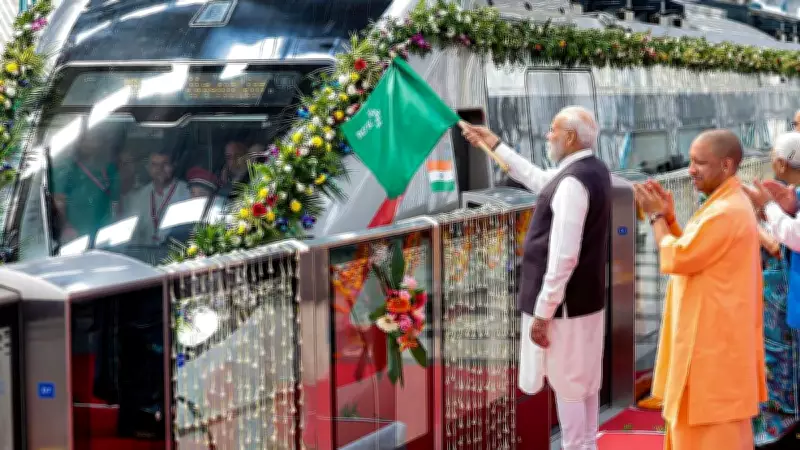
In a significant move to enhance urban infrastructure and connectivity, Prime Minister Narendra Modi inaugurated the Meerut Metro and dedicated the 82-kilometer Delhi-Meerut Namo Bharat corridor on February 22, 2026. This landmark event underscores the government's commitment to modernizing transportation networks in Uttar Pradesh, aiming to improve daily commutes and spur economic growth in the region.
Key Features of the Meerut Metro and Namo Bharat Corridor
The inauguration ceremony highlighted several critical aspects of these developmental projects:
- Meerut Metro: This new metro system is designed to provide efficient and eco-friendly public transport within Meerut, reducing traffic congestion and pollution. It features modern amenities and advanced safety systems to ensure a comfortable ride for passengers.
- Delhi-Meerut Namo Bharat Corridor: Spanning 82 kilometers, this high-speed rail corridor connects Delhi to Meerut, significantly cutting travel time between the two cities. It is part of the broader Namo Bharat initiative, which focuses on rapid rail networks to enhance inter-city connectivity across India.
- Infrastructure Impact: Together, these projects are expected to boost local economies by facilitating easier access to job markets, educational institutions, and healthcare facilities. They also align with national goals of sustainable development and smart city initiatives.
Strategic Importance for Uttar Pradesh and National Development
Prime Minister Modi emphasized that the Meerut Metro and Namo Bharat corridor are pivotal for Uttar Pradesh's transformation into a hub of progress and innovation. By improving transportation links, these projects aim to:

- Enhance regional connectivity, making it easier for residents to travel between Delhi and Meerut for work or leisure.
- Support urban development by integrating Meerut into the National Capital Region (NCR), attracting investments and creating employment opportunities.
- Promote environmental sustainability through reduced reliance on private vehicles, contributing to lower carbon emissions and cleaner air.
During the inauguration, Modi highlighted that such infrastructure upgrades are essential for India's vision of becoming a developed nation by 2047. He noted that the Delhi-Meerut corridor, in particular, sets a benchmark for future rapid rail projects across the country.
Future Prospects and Broader Implications
The launch of these projects is just the beginning of a larger push to modernize Uttar Pradesh's transport network. Authorities plan to expand the metro system to other cities in the state and extend the Namo Bharat network to additional routes, further integrating urban and rural areas. This initiative is expected to have a ripple effect, improving logistics, boosting tourism, and enhancing the overall quality of life for millions of people.
In conclusion, the inauguration of the Meerut Metro and Delhi-Meerut Namo Bharat corridor marks a milestone in India's infrastructure journey. By prioritizing efficient and sustainable transport solutions, the government is paving the way for a more connected and prosperous future, with Uttar Pradesh at the forefront of this transformative change.