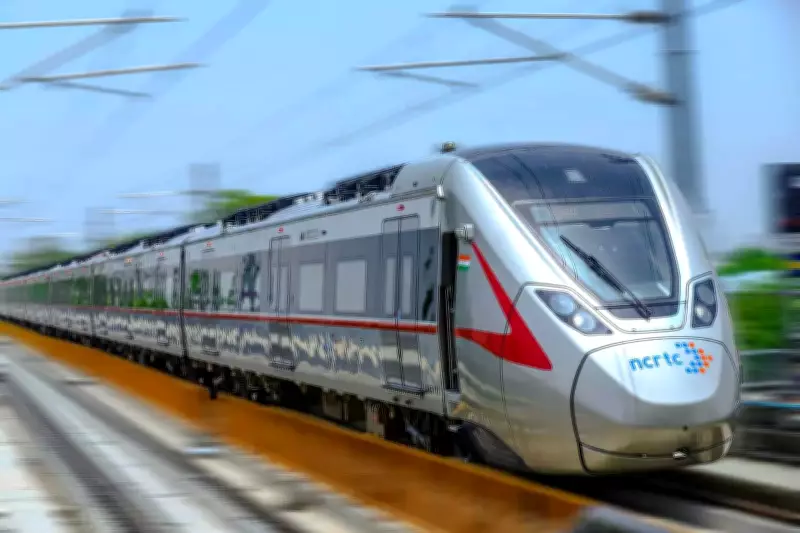
PM Modi Inaugurates Meerut Metro and Namo Bharat RRTS in Uttar Pradesh
Prime Minister Narendra Modi inaugurated the Meerut Metro and the Namo Bharat Regional Rapid Transit System (RRTS) on Sunday during his visit to Shatabdi Nagar in Meerut, Uttar Pradesh. The Prime Minister also dedicated development works worth approximately ₹12,930 crore to the city, marking a significant milestone in the region's infrastructure advancement.
Historic Inauguration and Public Address
Following the inauguration ceremony, Prime Minister Modi took a metro ride to Meerut South station and addressed a large public gathering. The event celebrated the full operationalization of the 82-kilometer Delhi–Meerut Namo Bharat corridor alongside the launch of the Meerut Metro. This initiative represents a first-of-its-kind model in India, with both services operating on shared infrastructure.
Benefits of the Namo Bharat RRTS
The Namo Bharat RRTS is set to transform daily life across the National Capital Region by dramatically reducing travel time between Meerut, Ghaziabad, and Delhi. Key advantages include:

- Enhanced Connectivity: Professionals can reside farther from Delhi while working in major urban centers, improving work-life balance and lowering commuting expenses.
- Broader Accessibility: Students, entrepreneurs, and families will benefit from easier travel for education, business, and personal needs.
- Regional Integration: Since its initial launch in October 2023, the phased opening of the corridor has already improved transportation, allowing many to live in Meerut and Ghaziabad while pursuing careers in Delhi and Noida.
The system's advanced technology enables non-stop journeys of up to 100 kilometers to be completed in under 45–50 minutes. The corridor includes a 5-kilometer stretch between Sarai Kale Khan and New Ashok Nagar in Delhi and a 21-kilometer section between Meerut South and Modipuram in Uttar Pradesh.
Technical Specifications and Key Stations
Designed for a top speed of 180 kmph and an operational speed of 160 kmph, Namo Bharat is India's inaugural regional rapid transit system aimed at revolutionizing high-speed intercity travel. Notable stations include:
- Sarai Kale Khan: The corridor's starting point, developed as a major multi-modal hub with seamless connectivity to Hazrat Nizamuddin Railway Station, Delhi Metro's Pink Line, Veer Haqeeqat Rai ISBT, and Ring Road.
- Shatabdi Nagar, Begumpul, and Modipuram: Three stations situated in Meerut, enhancing local and regional transit options.
Highlights of the Meerut Metro
In a pioneering move, the Meerut Metro will operate on the same infrastructure as the Namo Bharat corridor, creating an integrated model for high-speed intercity and intra-city travel. Key features include:
- Travel Efficiency: The metro will cover the 21-kilometer Meerut South–Modipuram corridor in approximately 30 minutes, including all scheduled stops.
- Speed: It will be India's fastest metro system, with a maximum operational speed of around 120 kmph.
- Modern Design: The service runs on a 21-kilometer corridor with 12 stations, featuring fully air-conditioned three-coach trains in a fluorescent green, blue, and orange color scheme.
- Advanced Technology: Energy-efficient trainsets equipped with regenerative braking systems, Automatic Train Protection, and Automatic Train Operation technologies.
- Passenger Amenities: Facilities include luggage racks, CCTV cameras, USB charging ports, and a capacity of over 700 passengers per train, with 173 seated commuters.
- Inclusive Seating: A mix of transverse and longitudinal cushioned seating, with reserved spots for women, senior citizens, and passengers with disabilities.
Environmental and Urban Impact
The integrated transport network is expected to deliver substantial benefits, including:

- Faster Travel: Enabling quicker intercity and intra-city movement.
- Reduced Congestion: Helping decongest road traffic across the region.
- Lower Emissions: Significantly cutting vehicular carbon dioxide emissions, contributing to cleaner air and sustainable urban development.
This landmark project underscores the government's commitment to enhancing infrastructure and connectivity in Uttar Pradesh, setting a new standard for public transportation in India.