PM Modi Calls for Global Competitiveness in India's Agriculture Sector
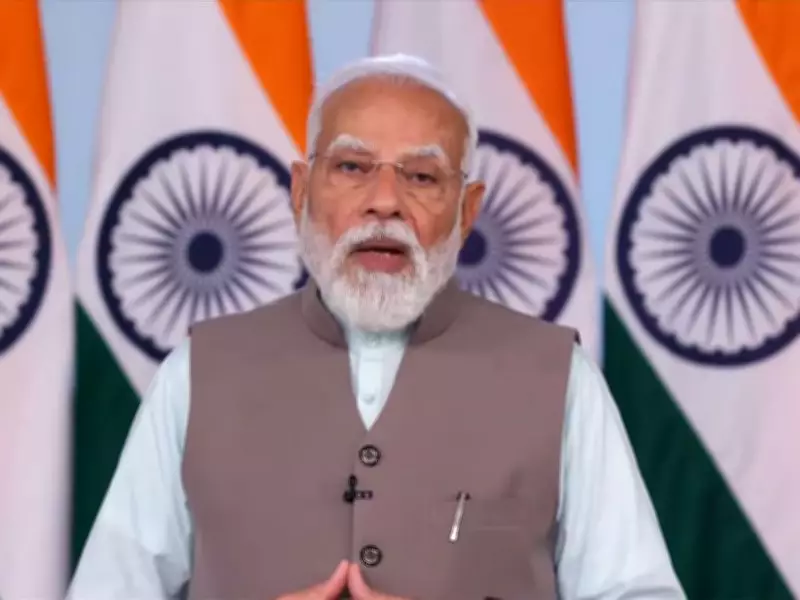
Prime Minister Narendra Modi has underscored the critical importance of transforming India's agriculture sector to make it globally competitive. In a recent address, he emphasized that enhancing the sector's efficiency and sustainability is essential for the nation's economic growth and food security.
Focus on Modernization and Technology
PM Modi highlighted the need to integrate modern technology and innovative practices into farming. He pointed out that adopting advanced tools and techniques can significantly boost productivity and reduce costs, making Indian agricultural products more attractive in international markets.
The Prime Minister stressed that sustainable farming methods are crucial for long-term success. He advocated for practices that conserve resources and protect the environment, ensuring that agriculture remains viable for future generations.

Challenges and Opportunities
India's agriculture sector faces several challenges, including fragmented land holdings, outdated infrastructure, and climate change impacts. However, PM Modi sees these as opportunities for reform and growth. He called for collaborative efforts between the government, farmers, and private sector to address these issues.
"By working together, we can overcome obstacles and build a resilient agricultural system," he remarked.Policy Initiatives and Support
The government has launched various schemes to support farmers and improve agricultural output. PM Modi mentioned initiatives aimed at providing financial assistance, better market access, and training in modern farming techniques.
- Implementation of digital platforms for real-time market information.
- Promotion of organic farming and crop diversification.
- Investment in irrigation and storage facilities to reduce post-harvest losses.
These measures are designed to empower farmers and enhance the overall competitiveness of the sector on a global scale.
Global Market Integration
PM Modi emphasized the importance of aligning Indian agricultural standards with international norms. This includes improving quality control, certification processes, and logistics to facilitate smoother exports.
He noted that by meeting global demands, India can increase its share in the world agricultural trade, benefiting both the economy and rural communities.
Conclusion
In summary, PM Modi's vision for a globally competitive agriculture sector involves a holistic approach combining technology, sustainability, and policy support. His call to action aims to position India as a key player in the global agricultural landscape, driving prosperity and self-reliance.