Subsidy Empowers Farmer Neeraj to Earn Lakhs Through Gerbera Cultivation in Barabanki
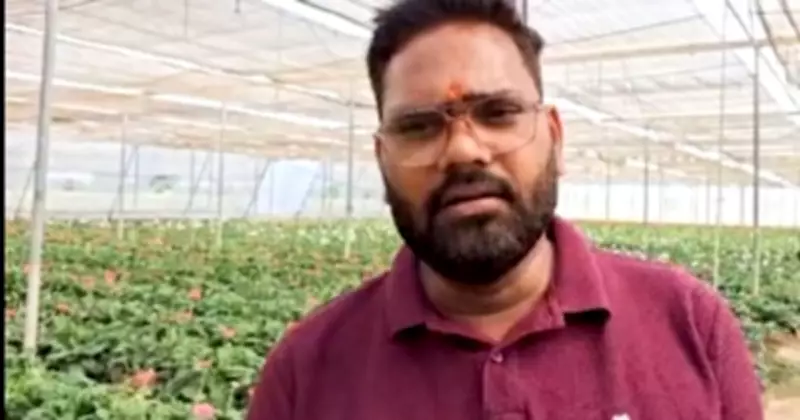
In a remarkable transformation, Neeraj Patel from Barabanki has turned his fortunes around by embracing Gerbera cultivation, thanks to substantial support from government initiatives. With a 50% subsidy provided under the National Horticulture Mission, Neeraj has not only become self-reliant but is also earning significant income, highlighting the positive impact of agricultural subsidies on rural livelihoods.
Government Support Drives Shift to High-Value Crops
The National Horticulture Mission is playing a pivotal role in encouraging farmers to move beyond traditional crops. By offering a 50% subsidy, the government aims to promote floriculture, which is creating a new identity and economic opportunities for farmers across regions. This initiative is part of a broader strategy to enhance agricultural diversity and boost farmer incomes through high-value cultivation practices.
Neeraj's success story exemplifies how such schemes can lead to tangible benefits. Previously reliant on conventional farming, he has now adopted Gerbera cultivation, a lucrative venture that has enabled him to earn lakhs of rupees. This shift underscores a growing trend among farmers who are exploring alternative crops to improve their financial stability and reduce dependency on unpredictable traditional harvests.

Impact of Subsidies on Farmer Empowerment
The subsidy program has been instrumental in making floriculture accessible and profitable for farmers like Neeraj. By reducing the initial investment costs, the government is lowering barriers to entry and fostering innovation in agriculture. This support is not just about financial aid; it is about empowering farmers to take control of their economic futures and contribute to the growth of the horticulture sector.
As more farmers witness the success of early adopters, there is a noticeable movement towards high-value crops such as Gerbera. This transition is expected to have long-term benefits, including increased export potential, job creation, and sustainable agricultural practices. The government's focus on such schemes reflects a commitment to rural development and economic diversification.
Note: This is sponsored content. The views expressed here are solely those of the author.Published 16 March 2026, 12:23 IST