Uttar Pradesh Intensifies Food Security Measures with Comprehensive Strategy
Uttar Pradesh is significantly enhancing its efforts to fortify food security across the state while ensuring that farmers receive prompt payments for their agricultural produce. According to recent government data, a multifaceted approach combining technology-driven distribution systems, targeted nutritional support programs, and direct procurement mechanisms is being deployed to reach millions of beneficiaries effectively throughout the region.
Core of the Strategy: The Public Distribution System
The Public Distribution System (PDS) remains the fundamental pillar of the state's food security framework. Approximately 150 million eligible beneficiaries are provided with 5 kilograms of free food grains each month. For the most vulnerable segments of society, Antyodaya families receive an increased allocation of 35 kilograms. Additionally, Antyodaya ration cardholders benefit from 3 kilograms of sugar quarterly at a subsidized rate of Rs 18 per kilogram.
During the COVID-19 pandemic, the state government expanded the distribution basket to include essential items such as 1 kilogram of pulses, 1 litre of edible oil, and 1 kilogram of salt, all provided free of cost to all cardholders, thereby offering crucial relief during the crisis.

Technological Innovations to Ensure Transparency
To improve transparency and eliminate issues like leakages and "ghost beneficiaries," electronic Point of Sale (e-PoS) machines have been extensively deployed at distribution centres. These devices utilize biometric verification to confirm the identity of recipients, ensuring that benefits reach the intended individuals and preventing any duplication or fraud in the system.
Advancing Nutritional Security and Clean Cooking
The government has also shifted focus towards enhancing nutritional security. Since the 2023-24 fiscal year, all ration cardholders have been receiving fortified rice enriched with essential nutrients like iron, vitamin B-12, and folic acid. This initiative aims to combat widespread malnutrition and anaemia prevalent in the state.
Furthermore, under the Ujjwala Yojana, over 18.6 million free LPG connections have been distributed, with the provision of two free cylinders during major festivals such as Holi and Diwali. This program promotes cleaner cooking methods, contributing to better health outcomes and environmental sustainability.
Substantial Procurement and Farmer Support
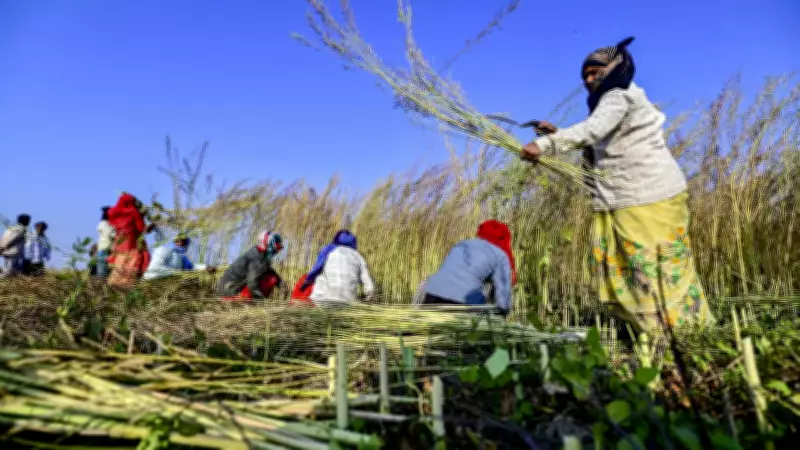
Between the 2017-18 and 2025-26 periods, Uttar Pradesh has procured massive quantities of agricultural produce, ensuring timely payments to farmers. The state acquired 45.7 million metric tonnes of paddy, with payments exceeding Rs 88,951 crore, and 24.4 million metric tonnes of wheat, amounting to over Rs 45,935 crore. Smaller quantities of coarse grains were also procured, including 0.47 million metric tonnes of Bajra, with payments over Rs 458 crore, and 0.13 million metric tonnes of Maize, totalling more than Rs 262 crore.
The inclusion of coarse grains such as Bajra, Maize, and Jowar in procurement efforts is part of the state's strategy to diversify the range of crops sourced from farmers, supporting agricultural variety and economic stability.
Infrastructure Development and Nationwide Access
The "One Nation One Ration Card" scheme, implemented in May 2020, allows beneficiaries to access food grains across different states, benefiting over 6.7 million Uttar Pradesh cardholders who may migrate or travel for work.
To modernize distribution infrastructure, the government is constructing upgraded Fair Price Shops, known as Annapurna Bhavans. As of now, 7,439 of these facilities have been completed, with an additional 1,772 currently under construction. A budget of Rs 200 crore has been allocated for the 2025-26 fiscal year specifically for this purpose, highlighting the state's commitment to improving logistical efficiency.
Through these comprehensive measures, Uttar Pradesh is not only addressing immediate food security needs but also building a resilient and transparent system that supports both consumers and farmers in the long term.