Uttar Pradesh Government Sanctions Rs 9 Crore for Traffic Surveillance Upgrade
The Uttar Pradesh government has taken a significant step towards improving road safety and traffic regulation by approving a budget of Rs 9 crore for the installation of advanced CCTV camera systems. This initiative aims to bolster traffic management across 57 districts that are currently not covered under existing projects like the Integrated Traffic Management System and Smart City developments.
Strategic Coverage and Implementation Details
According to an official order issued by Special Secretary Dinesh Kumar, the project will focus on districts such as Hardoi, Sitapur, Ayodhya, Barabanki, Unnao, Azamgarh, Mau, Mirzapur, Basti, Gonda, Hathras, Firozabad, Mainpuri, Etawah, and several other western Uttar Pradesh regions. The comprehensive plan involves setting up a total of 1,338 high-resolution CCTV cameras at 297 critical traffic points.
Key installations include:

- 150 major intersections, each equipped with five cameras.
- 147 T-junctions, each fitted with four cameras.
The financial breakdown reveals an estimated expenditure of Rs 3.21 lakh per major intersection and approximately Rs 2.83 lakh per T-junction. Cumulatively, this translates to Rs 4.82 crore for intersections and Rs 4.16 crore for T-junctions, summing up to the total approved budget of Rs 9 crore.
Advanced Infrastructure and Timelines
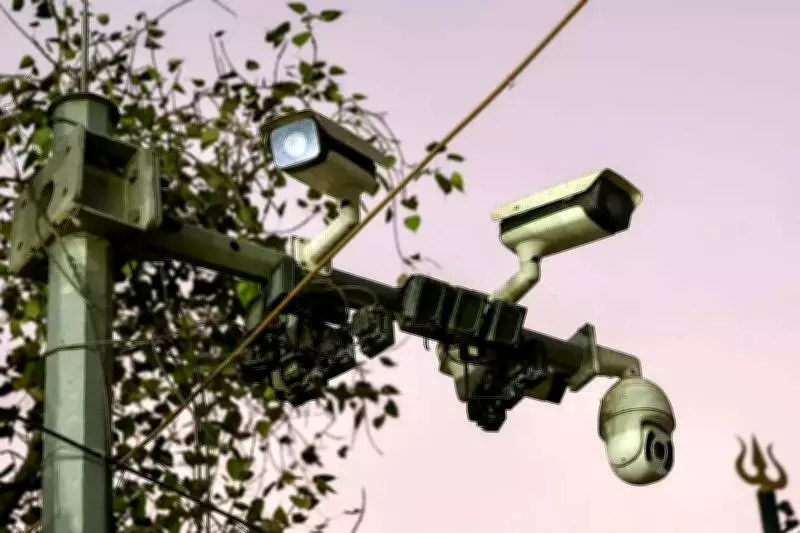
The surveillance infrastructure will feature state-of-the-art components to ensure effective monitoring and data collection. This includes high-resolution bullet cameras, PTZ (Pan-Tilt-Zoom) cameras, network video recorders (NVRs), UPS systems for uninterrupted power supply, sturdy poles, junction boxes, and high-speed internet connectivity. These elements are designed to provide real-time traffic insights and enhance law enforcement capabilities.
Authorities have been directed to complete the installation process by March 31, ensuring timely deployment to address traffic challenges and improve public safety. This move is part of the government's broader efforts to modernize urban infrastructure and reduce congestion and accidents in non-metro areas.