Uttar Pradesh Announces Major Expansion of Electric Vehicle Charging Infrastructure
The state government of Uttar Pradesh has unveiled an ambitious plan to significantly boost its electric vehicle (EV) charging network. A total of 300 new charging stations are slated for installation across key urban centers, marking a substantial step toward enhancing sustainable transportation options.
Strategic Allocation Across Cities
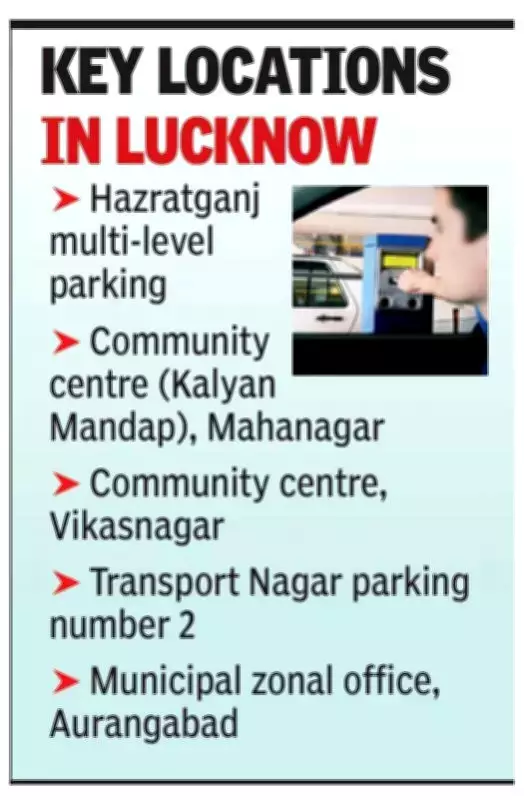
According to proposals submitted by urban local bodies, the distribution of these stations will see Ayodhya receiving the highest number, with 28 charging points planned. Lucknow follows closely with 27 stations, reflecting the state's focus on major hubs. The directorate of urban transport is currently compiling a detailed list of specific locations where these facilities will be developed, with private sector involvement being a key component of the initiative.
Infrastructure Designed for Efficiency and Growth
Officials have conducted preliminary surveys across 16 cities where municipal corporations manage urban transportation. Initially targeting plots of 180 to 200 square feet, the minimum land requirement has been revised upward to 300 square feet to accommodate two to three four-wheelers simultaneously. This adjustment, made during a recent review meeting, aims to ensure the stations are future-proof and capable of handling increasing EV traffic.

The project leverages expertise from UP Renewable and EV Infrastructure Limited (UPREV), a subsidiary of the state government. Managing Director Inderjit Singh emphasized, "Apart from augmenting the infrastructure, our focus is also on adopting the latest technology to ensure existing and upcoming public charging stations are being used in an optimum manner."
Benefits for Commuters and the Environment
This expansion is expected to bring down overall commute costs for residents, particularly benefiting auto-rickshaw drivers who constitute nearly 85% of the state's EV population. With more accessible charging spots, drivers will spend less time searching for power sources, enhancing operational efficiency.
To maximize usability, the stations will feature dedicated entry and exit routes, ensuring 24/7 accessibility for EV owners. Additionally, a digital payment system will be implemented to streamline transactions and support profitability for private partners involved in the project.
Private Partnership and Implementation Timeline
The state has already floated bids to engage private partners in developing and operating the charging stations. This collaborative approach aims to accelerate deployment while incorporating innovative solutions. The integration of UPREV's guidelines will ensure that the infrastructure aligns with contemporary standards, promoting widespread adoption of electric vehicles across Uttar Pradesh.
As the state moves forward with this initiative, it underscores a commitment to reducing carbon emissions and fostering a greener urban mobility ecosystem. The rollout of these 300 charging stations represents a critical milestone in Uttar Pradesh's journey toward sustainable transportation.