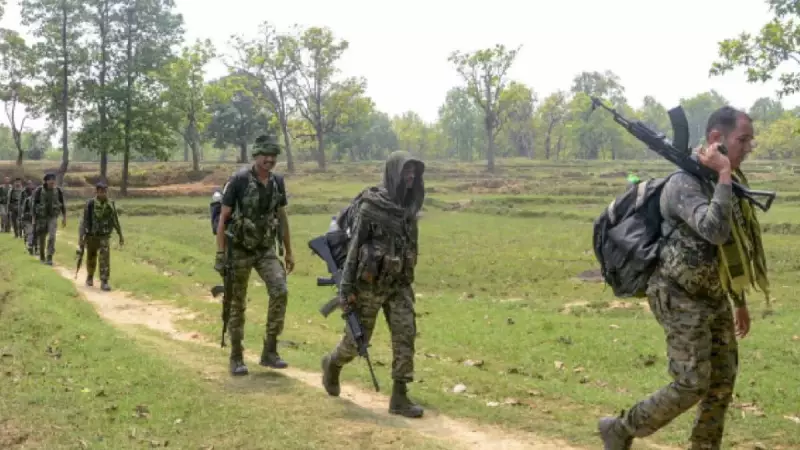
In a significant development for security forces in the Maoist-affected Bastar region, a total of 26 Naxalites laid down their arms and surrendered before authorities in Chhattisgarh's Sukma district. The event, which took place on Tuesday, marks a notable success for the government's efforts to curb left-wing extremism through persuasion and rehabilitation.
Details of the Surrendered Cadres and Bounties
The group of surrendered individuals comprised both male and female cadres from various ranks within the outlawed Maoist organization. According to police officials, the collective bounty on their heads amounted to a staggering Rs 64 lakh. This indicates that several of those who surrendered were wanted for serious activities and held important positions within the Naxal hierarchy.
The surrender ceremony was conducted under the supervision of senior police officers from the Sukma district. The cadres renounced violence and expressed their desire to join the mainstream, citing disillusionment with the Maoist ideology and the hardships of life in the forests. They are expected to benefit from the state government's surrender and rehabilitation policy, which offers financial assistance, vocational training, and other support for integration into society.

A Strategic Blow to Maoist Operations in Bastar
This mass surrender is being viewed as a strategic and psychological blow to the Naxalite movement in one of its core areas. Sukma district, located in the southern part of Chhattisgarh, has been a longstanding hotbed of Maoist activity and has witnessed several violent encounters in the past. The decision of two dozen cadres to give up arms reflects a potential crack in the organization's morale and outreach.
Security analysts point out that such surrenders are often the result of sustained pressure from security operations, combined with proactive confidence-building measures by the police and administration. The continuous efforts to cut off their supply chains, along with developmental projects reaching remote areas, are seen as key factors encouraging Naxalites to abandon the path of violence.
Path to Rehabilitation and Mainstream Integration
The focus now shifts to the rehabilitation process for the 26 individuals. The Chhattisgarh government has a structured policy for surrendered Naxalites, which includes:
- Immediate financial aid as per their rank and bounty.
- Arrangements for housing and land for cultivation.
- Access to skill development and job-oriented training programs.
- Security assurance for themselves and their families.
Police authorities have stated that the surrendered cadres will be provided with all necessary assistance to ensure they can lead a normal, peaceful life. Their surrender is also expected to provide valuable intelligence about the internal workings, plans, and hideouts of the Maoist groups, which could aid future counter-insurgency operations.
This event in Sukma adds to a growing trend of surrenders in the Bastar region over recent years, signaling a potential shift in the decades-long conflict. It underscores the effectiveness of a multi-pronged strategy that combines firm security action with persuasive outreach and the promise of a better life through rehabilitation.