

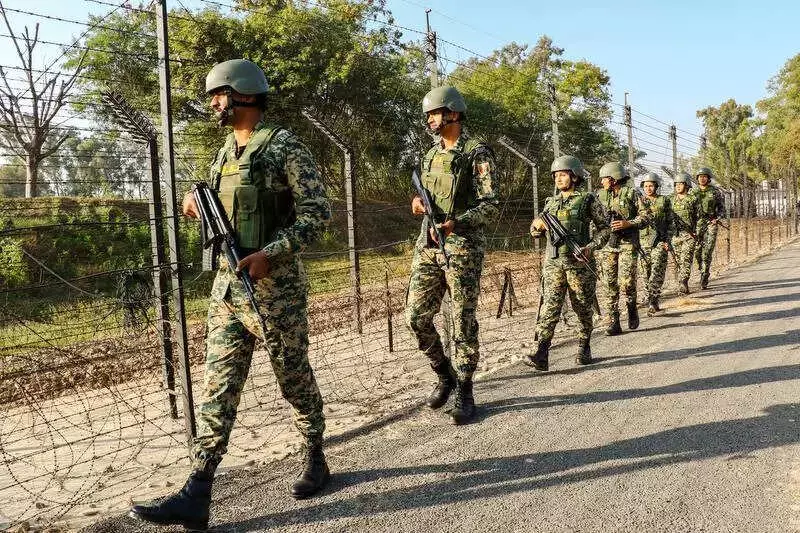
Security forces along the Punjab border have detected a significant escalation in cross-border weapons smuggling operations orchestrated by Pakistani intelligence agencies and criminal networks. According to recent data, drone-based delivery systems have become the preferred method for transporting illegal arms and narcotics into Indian territory.
Drone Warfare: The New Border Threat
Border Security Force officials have documented a dramatic increase in aerial smuggling attempts this year, with Pakistani operatives increasingly relying on unmanned aerial vehicles to bypass traditional security measures. BSF Punjab Frontier inspector-general Autl Fulzele revealed that security personnel have been intercepting an average of 24 Pakistani drones every month along the sensitive border region.
The trend became particularly pronounced following Operation Sindhu, after which weapon-dropping incidents saw a substantial surge. Between January 1 and November 30 of this year, BSF troops successfully seized 272 drones that were being used for cross-border smuggling operations.

Massive Haul of Weapons and Narcotics
The intercepted drones were carrying alarming quantities of illegal materials. Security forces recovered 367.8 kilograms of heroin, along with 19kg of ICE narcotics and 14.5kg of opium. The weapon seizures were equally concerning, including 200 firearms of various types, among them AK-47 rifles.
Additional confiscated materials included 3,625 rounds of ammunition, 10.2kg of RDX/IED explosive material, 12 hand grenades, and 265 weapon magazines. These discoveries highlight the sophisticated nature of the smuggling operations and the serious security threat they represent.
Changing Tactics and International Connections
While drone intrusions have increased, traditional human border crossings have decreased significantly. Security sources attribute this shift to multiple factors, including enhanced ground surveillance, the cost-effectiveness of drone technology, improved GPS navigation systems, and strategic attempts to overwhelm border monitoring systems through mixed human-drone tactics.
BSF operations led to the apprehension of 251 Indian suspects, including 133 identified smugglers. The international dimension of these operations became evident with the capture of 18 Pakistani nationals, along with 4 Nepalese and three Bangladeshi individuals involved in cross-border criminal activities. Patrol teams also neutralized three Pakistani intruders attempting to infiltrate Indian territory.
Inspector-General Fulzele described the challenging conditions faced by border security personnel, who have endured months of continuous night alerts, the constant buzzing of drone propellers, and confrontations with shadowy intruders. Security experts emphasize that these evolving cross-border tactics demand constant technological upgrades and operational countermeasures from Indian security forces.






