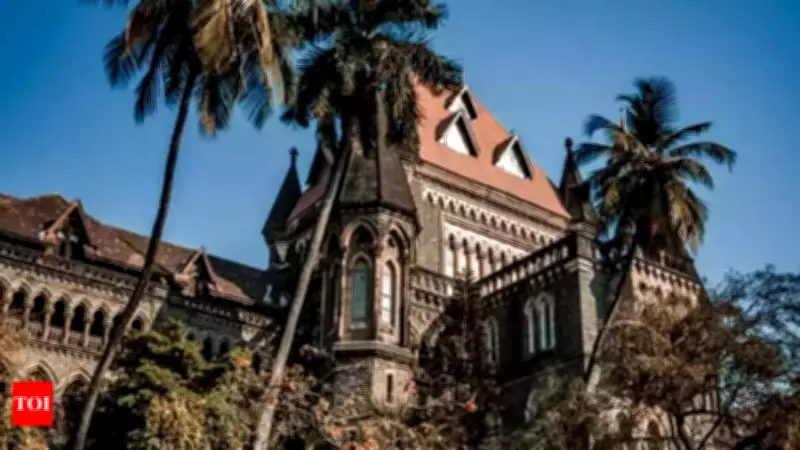
Bombay High Court Concludes 78-Year-Old Property Dispute Over Vast Dahisar Estate
In a landmark resolution, the Bombay High Court has finally disposed of a property dispute that dates back to the year of India's independence, bringing an end to a legal battle spanning 78 years. The case, which involved the fourth generation of the original landowner, was settled amicably this month through a consent term order.
The Historic Estate and Its Legal Journey
The dispute centered on a massive estate encompassing vast portions of Dahisar village in north Mumbai. The property covered an impressive 2,891 acres, equivalent to over 1,100 hectares. To put this into perspective, the land was approximately 3.5 times the size of New York's Central Park, highlighting the significant scale of the contested area.
Over the decades, the legal proceedings saw numerous challenges, including repeated pleas against the sale of land parcels in Dahisar to private parties. Additionally, the state had acquired portions of the property under the Salsette Law and Forest Act, adding layers of complexity to the case.
The Original Suit and Its Prolonged Resolution
The original lawsuit was filed on October 7, 1947, shortly after India gained independence. It sought the administration of the estate of Haji Alimohammed Haji Cassum following his demise, in accordance with applicable personal laws. The suit was initiated by Badrushama, the widow of Suleman Haji Alimohammed Haji Cassum, against Salim Dawood Agboatwala and others.
Justice Farhan Dubash, one of the newest judges at the Bombay High Court, presided over the final settlement. In his order, he began by noting, "This order disposes of probably the oldest Suit that is currently pending before the Bombay high court." His ruling effectively brought a quietus to the legal tussle that had persisted for over three-quarters of a century.
Key Milestones in the Decades-Long Case
The case witnessed several critical developments over the years. In 1950, the High Court appointed a court receiver to oversee the property. A preliminary decree was passed on November 25, 1952, which determined the legal shares of all heirs involved. Successive generations continued the legal battle, with the litigation eventually reaching the fourth generation of the family.
Ultimately, all heirs decided to resolve the dispute amicably. They filed consent terms before the High Court on February 5, which were accepted, leading to the suit being struck off from the pendency list and moved to a disposed status. This verdict marks the closure of one of the longest-pending cases in the history of the Bombay High Court.
The Settlement and Financial Arrangements
The High Court recorded the agreement reached between the parties after hearing arguments from senior counsel Kevic Setalvad, along with advocate Vijaylaxmi Kulkarni representing the plaintiffs, and Anupam Surve, counsel with solicitor Nanu Hormasjee and Co. for the contesting heirs.
The settlement was finalized between Ateeq Anwar Agboatwala, who held power of attorney for the first plaintiff, and other members of the Agboatwala family. As part of the agreement, Rs 7 lakh was payable to the court receiver for costs and charges related to the matter. After deducting this amount, the remaining undisclosed sum is to be returned to the family on or before February 20, 2026.
This resolution not only ends a protracted legal conflict but also sets a precedent for amicable settlements in complex property disputes, emphasizing the importance of familial harmony over prolonged litigation.