Ajmer Court Merges Second Temple Claim Suit, Sets February 21 Hearing Date
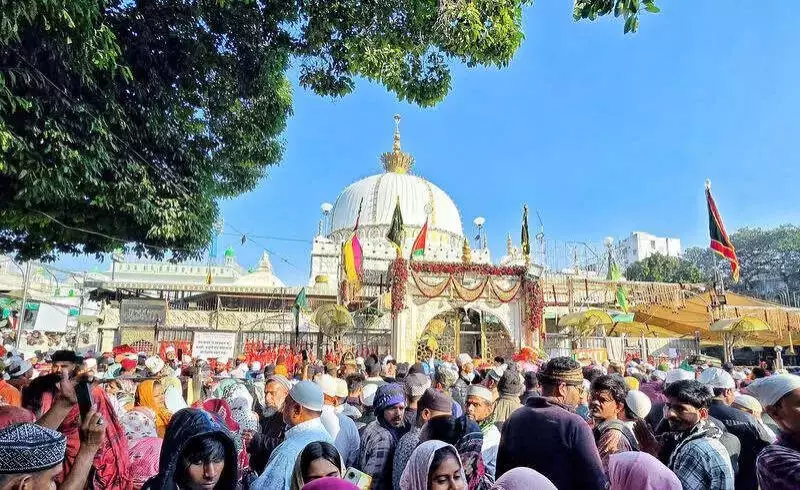
A local court in Ajmer made a significant procedural move on Monday. It clubbed a second lawsuit into claims about the presence of a Shiva temple beneath the Dargah of Khwaja Moinuddin Chisti. This new suit was combined with an earlier matter that makes very similar contentions. The court has now scheduled both cases for a joint hearing on February 21.
Notices Issued to State Government and Authorities
The court also took immediate action by issuing formal notices. These notices were sent to the state government, the Archaeological Survey of India, and the Dargah Committee. The notices seek their official responses to the claims presented in the lawsuit. This step ensures all relevant parties are formally involved in the legal process.
Details of the New Lawsuit by Maharana Partap Sena
The second suit was filed at the Judicial Magistrate Court (2) by an organization called the Maharana Partap Sena (MPS). This filing comes more than a full year after a similar petition. That earlier petition was filed by the Hindu Sena back in September 2024, and it remains pending in court to this day.
We have produced maps, portraits, and other evidence in the court in support of our claims, MPS national president Harshvardhan Parmar told reporters outside the court. He emphasized their readiness to cooperate fully. Whatever additional evidence the court asks for, we will provide, he added confidently.
Evidence and Claims Presented by the Petitioners
The Maharana Partap Sena claims its members undertook an extensive journey across the country. They say this was a 7,800-kilometer yatra specifically to gather support for their claim. During this yatra, they collected affidavits from hundreds of people. These individuals reportedly support the assertion that a temple exists beneath the dargah.
Counsel for the MPS group, AP Singh, provided further context. He stated that prayers were historically offered at the alleged temple site for several years. This claim forms part of their historical argument presented before the magistrate.
The Earlier Suit and Official Denials
The first suit, filed by the Hindu Sena, took a different evidentiary approach. It produced books written by historians to support their claims in court. These books were submitted as part of their legal argument.
On the opposing side, the Ministry of Minority Affairs and the Dargah Committee have already responded. They have formally denied all such claims in previous court proceedings. Officials reminded the court that the Sufi shrine operates under specific legislation. It is run under the Dargah Act, which was passed by the Indian Parliament, providing its legal framework.
The merging of these two cases sets the stage for a consolidated legal examination of these sensitive historical and religious claims next month.