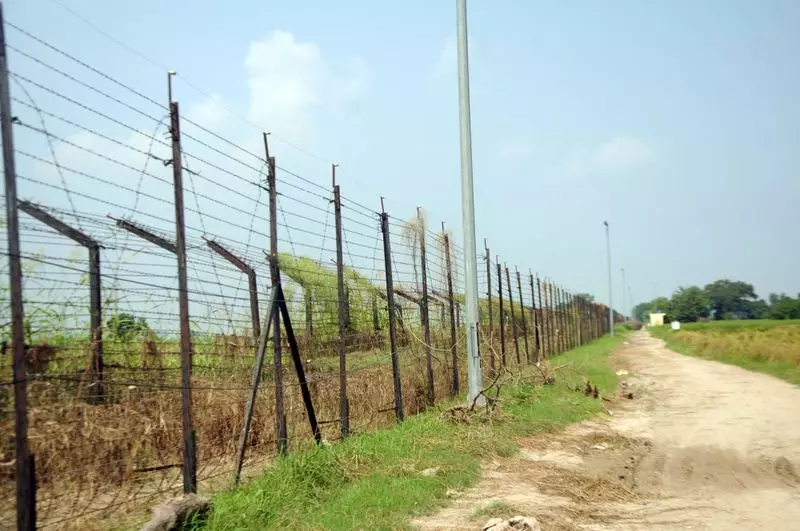
In a significant move to bolster security along the sensitive frontier, the Amritsar district administration has imposed a strict ban on the movement of people and vehicles during night hours within a 500-meter radius of the India-Pakistan international border. This order will remain in effect for a period of 60 days.
Details of the Night Movement Ban
The order, issued by Deputy Commissioner Ghanshyam Thori, invokes the powers granted under Section 144 of the Code of Criminal Procedure (CrPC). It explicitly prohibits the presence or movement of any individual, including all types of vehicles, in the designated zone from 10 pm to 4 am every night. The directive is aimed at preventing any untoward incidents and strengthening surveillance in the border area, which is critical for national security.
The restricted zone encompasses villages and areas falling within the 500-meter belt from the Zero Line of the International Border in Amritsar district. This measure is a proactive step by the civil and police administration to assist the Border Security Force (BSF), which is the primary force guarding the frontier.

Exemptions and Legal Basis
While the ban is comprehensive, certain exemptions have been made. The restrictions will not apply to government officials, security personnel, or individuals on duty who are required to be in the area during the specified hours. These personnel must carry valid identification and duty-related documents for verification.
The administration's decision is rooted in intelligence inputs and a general assessment of the security landscape. The border region has always required heightened vigilance, and controlling nocturnal movement is a standard tactical procedure to deter infiltration attempts, smuggling activities, and other illegal cross-border actions.
Impact and Public Advisory
The 60-day order, effective immediately, impacts residents living in the immediate vicinity of the border. Local police and authorities have been directed to ensure strict compliance. The administration has urged the public, especially those residing in border villages, to cooperate with the security forces and adhere to the guidelines for their own safety and the nation's security.
Violation of this order is a punishable offense under the law. The district administration has made it clear that any person found contravening the directives will face legal action. This firm stance underscores the seriousness with which the authorities are treating the security of the international border in Punjab's Amritsar district.
Such temporary bans are not uncommon in border districts and are periodically reviewed based on the prevailing security situation. The current order is set for a two-month duration, after which it will be re-evaluated by the competent authorities.