

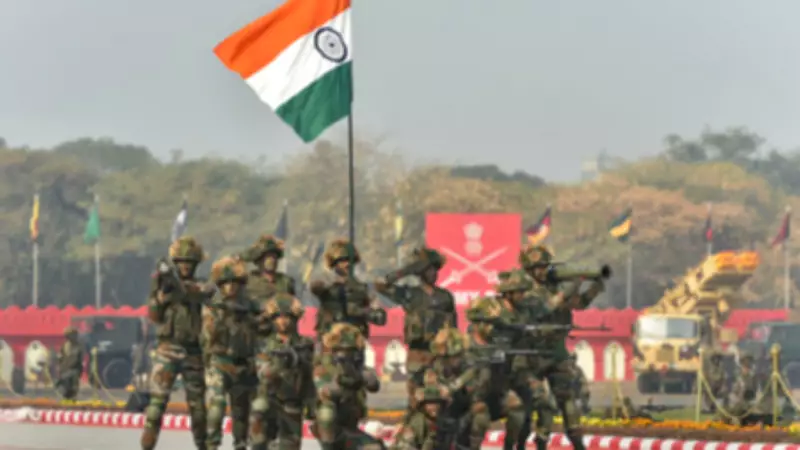
The Indian Army has announced a series of reforms aimed at eliminating colonial-era practices and aligning its traditions with India's identity and values. These changes are detailed in the newly released Army Uniforms Pamphlet 2026, which updates dress regulations across the force and promotes greater use of indigenous symbols and traditions.
Key Changes in the Uniform
One of the most notable changes is the introduction of the Bandi jacket as part of formal civil dress for officers. This closed-neck jacket, worn with formal trousers and shoes, adds an Indian touch to official attire. The Army has also discontinued several colonial-era symbols and practices. The use of pouch belts with certain mess dresses has been stopped, carrying a sword by Reviewing Officers is no longer mandatory, and old terms such as 'Royal' have been removed from official usage.
Reduced Role of Swords
The role of swords in ceremonies has been reduced. Going forward, swords will be carried only by parade commanders, contingent commanders, and selected personnel during major events such as Republic Day, Independence Day, Army Day parades, and Guards of Honour. Reviewing Officers will no longer carry swords during parades.

New Battle Jacket and Appearance Guidelines
The Army is introducing a new Battle Jacket as standard winter wear for all ranks, gradually replacing the existing jersey-based winter uniform by June 2029. The pamphlet also lays down strict guidelines on appearance and conduct while in uniform. It prohibits radical hairstyles, unauthorised beards, visible electronic gadgets, tattoos, body piercings, and cosmetic make-up. Personnel are also barred from wearing uniforms at political rallies, religious gatherings, protests, weddings, private parties, and paid media appearances without permission.
Wider Effort to Shed Colonial Legacy
These changes are part of a wider effort by the Army to shed colonial-era legacies. Earlier this year, it renamed 246 roads, buildings, and facilities across military establishments to honour Indian war heroes, gallantry award winners, and distinguished military leaders. Several prominent locations have already been renamed. In Delhi Cantonment, Mall Road is now Arun Khetrapal Marg, while Kirby Place has been renamed Kenuguruse Vihar. Similar changes have been made in Ambala, Mathura, Jaipur, Bareilly, Mhow, Dehradun, and other military stations across the country.
Previous Reforms
The Army had also ended several British-era traditions in 2023, including the use of horse-drawn buggies at official functions, ceremonial pull-out events during retirements, and pipe bands at dinners. Officials say the initiative is aimed at ensuring that military spaces and traditions reflect India's own heroes, history, and values while strengthening a distinctly Indian military identity.






