

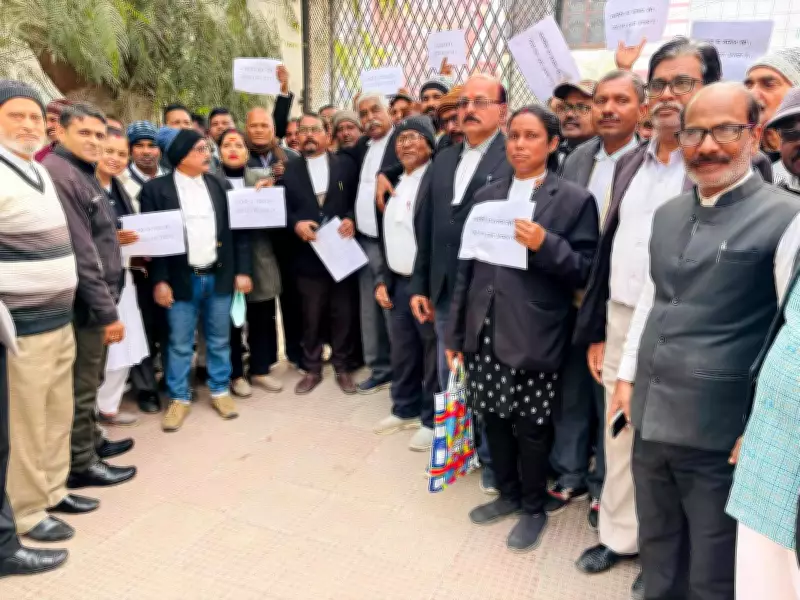
Aurangabad Nyaya Mitras Stage Peaceful Protest Demanding Honorarium Hike
In a significant demonstration of their long-standing grievances, Nyaya Mitras in Aurangabad organized a peaceful protest on Saturday under the banner of the District Nyaya Mitra Association. The primary demand of the protest was an increase in their honorarium, which has remained stagnant for nearly two decades despite their crucial role in local dispute resolution.
March from Lawyers' Association to Collectorate
The protest march commenced from the premises of the District Lawyers' Association and concluded at the collectorate, where participants gathered to voice their concerns. Advocate Satish Kumar Snehi addressed reporters, confirming that a delegation of Nyaya Mitras had met with the District Magistrate and Sub-Divisional Magistrate to submit a memorandum addressed directly to the Chief Minister.
Key Demands and Administrative Response
District Nyaya Mitra Association president Uday Kumar Sinha and secretary Satish Kumar Singh emphasized that the memorandum highlighted the urgent need for an enhancement of their honorarium. They reported that the district administration provided assurances that their demand letter would be forwarded to the appropriate authorities in Patna for necessary consideration and potential action.

Eighteen Years of Unchanged Remuneration
The Nyaya Mitras expressed deep frustration over their remuneration, which has not been revised for the past 18 years despite their valuable services in resolving disputes within gram kachaharis. This prolonged stagnation has led to widespread discontent among the Nyaya Mitras, who feel their contributions are not adequately recognized or compensated.
Their role in local justice delivery has been instrumental in maintaining social harmony and providing accessible dispute resolution mechanisms at the grassroots level. However, the lack of financial recognition threatens to undermine their motivation and the sustainability of these essential services.
The protest underscores broader issues related to fair compensation for community-based legal workers and highlights the need for systemic reforms to ensure that those serving in critical judicial support roles are adequately remunerated for their dedication and efforts.






