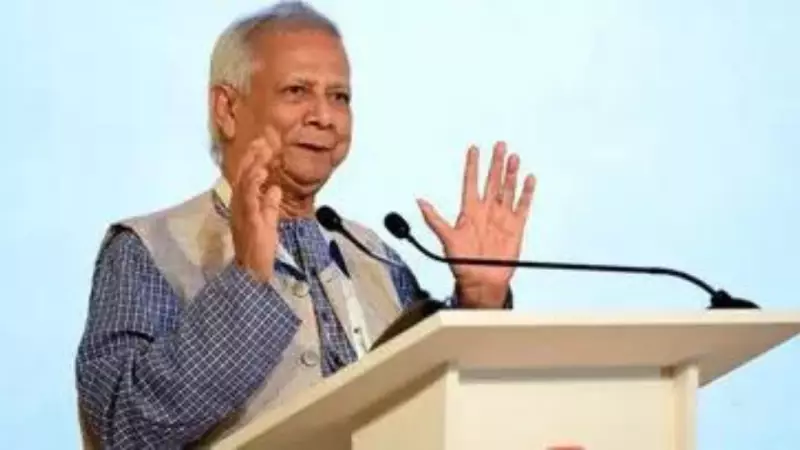
Bangladesh's interim government, under the leadership of Muhammad Yunus, took a significant step on Thursday. The government approved a draft ordinance designed to protect protesters from legal prosecution. These protesters played a key role in the demonstrations that led to the fall of former prime minister Sheikh Hasina's Awami League regime on August 5, 2024.
Government Announces Legal Protection for Protesters
At a press briefing, Law Adviser Asif Nazrul provided details about the new ordinance. He explained that the ordinance is officially titled the "July Mass Uprising Protection and Accountability Ordinance." This law offers indemnity to individuals known as the "July revolutionists" for their actions during the uprising.
Focus on Political Resistance
Nazrul emphasized that the protection applies specifically to acts committed with the aim of "political resistance." He clarified that this term refers to actions taken by the July revolutionists to restore democratic governance. Their goal was to topple what he described as a fascist government.

"We had announced this earlier," Nazrul stated. "It was our commitment to the July revolutionists." He made these remarks after emerging from a meeting of the advisory council, which was chaired by Yunus.
Legal Implications and Limitations
The ordinance has several important legal effects. First, the government will withdraw any existing cases filed against the July revolutionists. Second, no new cases can be lodged against them in the future. These individuals are often referred to as "July warriors" in public discourse.
However, the law does include a critical limitation. Nazrul made it clear that the ordinance will not protect anyone who committed murder during July and August. This exception applies if the killings were motivated by personal or narrow interests.
Background and Development
This development follows a recent inter-ministerial meeting. That meeting had instructed the Law Ministry to prepare a draft indemnity ordinance quickly. The focus was on providing legal protection to those involved in the student-led uprising.
The approval of this ordinance marks a pivotal moment for Bangladesh's political landscape. It reflects the interim government's efforts to address the aftermath of the July uprising. The move aims to balance accountability with recognition of the protesters' role in political change.