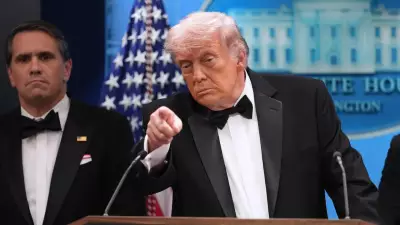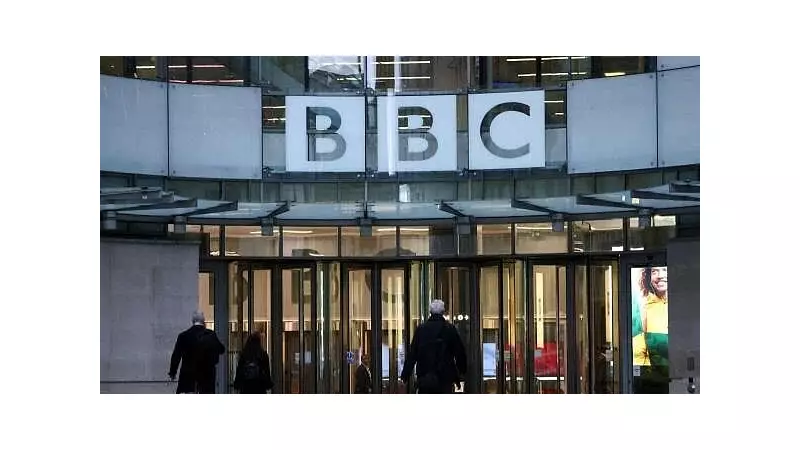
The chairman of the British Broadcasting Corporation (BBC) has issued a formal apology for what he described as an 'error of judgment' in the editing of former US President Donald Trump's speech. This controversy has raised significant questions about media integrity and editorial standards at one of the world's most respected broadcasting organizations.
The Editing Controversy Explained
According to reports, the BBC faced criticism for its handling of footage from a Donald Trump speech. The broadcasting corporation edited portions of the former president's address in a manner that some viewers and critics argued misrepresented his actual statements. The edited version allegedly removed important context or altered the sequence of remarks, potentially changing the perception of what was originally said.
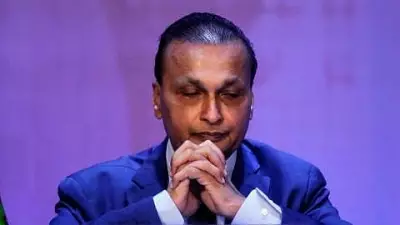
Samir Shah, who serves as the BBC chairman, publicly acknowledged the mistake and took responsibility for the editorial decision. In his statement, Shah emphasized that the editing choice was not intentional but nevertheless constituted a serious lapse in judgment. The apology comes at a time when media organizations worldwide are facing increased scrutiny over their reporting practices and political biases.

Implications for Media Trust
This incident has sparked broader conversations about media credibility and the importance of maintaining editorial integrity. The BBC, known for its global reputation as a reliable news source, now faces questions about its editorial processes and how it ensures balanced reporting. Many media watchdogs and political commentators have expressed concern about the potential impact on public trust in journalism.
The timing of this controversy is particularly significant given the upcoming elections in various countries and the ongoing debates about misinformation in media. Critics argue that such editing mistakes, whether intentional or not, can contribute to the erosion of public confidence in news organizations and fuel accusations of media bias.
BBC's Response and Future Measures
In response to the controversy, the BBC has initiated an internal review of its editing procedures and guidelines. The broadcasting corporation has committed to implementing additional safeguards to prevent similar incidents in the future. This includes enhanced training for editorial staff and more rigorous oversight of content before publication.
Samir Shah's apology represents a significant moment for the organization as it works to maintain its reputation while addressing legitimate concerns about its editorial practices. The chairman emphasized the BBC's commitment to impartial journalism and acknowledged that even unintentional errors can have serious consequences for public perception and trust.
This incident serves as a reminder to all media organizations about the critical importance of maintaining editorial integrity and the potential consequences of even seemingly minor editing decisions. As the media landscape continues to evolve, maintaining public trust through transparent and accurate reporting remains paramount for news organizations worldwide.