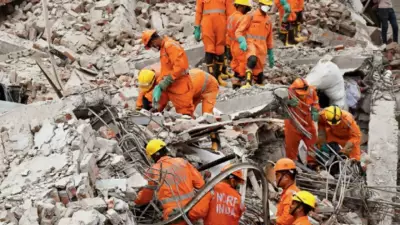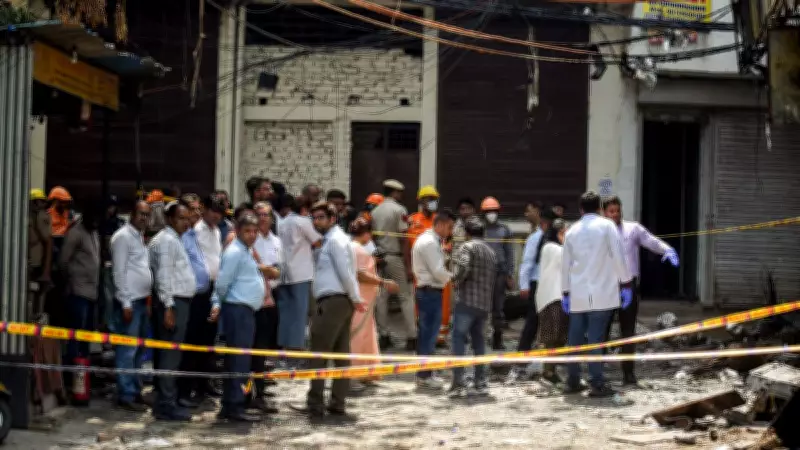
In the aftermath of the devastating fire in Malviya Nagar, Delhi, a blame game has erupted among the police, civic body, and various government departments. The incident, which claimed multiple lives and injured several others, has brought to light the contentious issue of B-B license limits on rooms and alleged negligence in enforcing fire safety norms.
Background of the Incident
The fire broke out in a residential building in Malviya Nagar, a densely populated area in South Delhi. Preliminary investigations suggest that the building was operating under a B-B license, which permits certain commercial activities but imposes strict limits on the number of rooms and occupants. However, reports indicate that these limits were grossly violated, leading to overcrowding and inadequate fire safety measures.
Police Department's Stance
The Delhi Police have stated that they had conducted regular inspections and issued notices to the building owner regarding safety violations. They claim that the civic body and other departments failed to act on these notices. A senior police officer said, "We did our part by flagging the issues. It is the responsibility of the municipal corporation and the fire department to ensure compliance."

Civic Body's Response
The South Delhi Municipal Corporation (SDMC) has refuted these allegations, asserting that the police have the primary authority to enforce license conditions. An SDMC official argued, "The B-B license is issued by the police, and they are the ones who should monitor the room limits. We can only act on complaints or during joint inspections."
Government Departments' Views
The Delhi Fire Service has pointed fingers at both the police and civic body, stating that they were not informed about the building's license status. "We respond to emergencies, but preventive measures like licensing and building plan approvals are not in our purview," said a fire department spokesperson. Meanwhile, the Revenue Department has claimed that the building was illegally constructed and that they had issued demolition orders, which were never executed due to lack of coordination.
The Core Issue: B-B License Limits
The B-B license, issued under the Delhi Police Act, allows buildings to be used for guest houses or paying guest accommodations, but with strict caps on the number of rooms and occupants. In this case, the building reportedly had double the permitted number of rooms, and safety equipment like fire extinguishers and emergency exits were either missing or non-functional. Experts argue that the ambiguity in jurisdiction and lack of inter-departmental coordination have created a loophole that building owners exploit.
Legal and Regulatory Framework
Under the Delhi Master Plan, buildings with B-B licenses must adhere to specific fire safety norms. However, enforcement is complicated because multiple agencies are involved: the police issue the license, the municipal corporation approves building plans, and the fire department conducts safety audits. This fragmented system often leads to responsibility being passed around.
Political Reactions
Political parties have seized the opportunity to criticize the ruling dispensation. The opposition has demanded a high-level inquiry and the suspension of officials found negligent. The ruling party, on the other hand, has promised strict action and a review of the licensing process.
Way Forward
Experts suggest that a single-window clearance system and a dedicated task force for fire safety audits could prevent such tragedies. They also emphasize the need for regular joint inspections and a clear chain of command. Meanwhile, the families of the victims await justice, and the injured struggle to recover.
As the blame game continues, the real question remains: who will take responsibility for the lapses that cost lives? The answer may lie in overhauling the current regulatory framework to ensure accountability and safety.