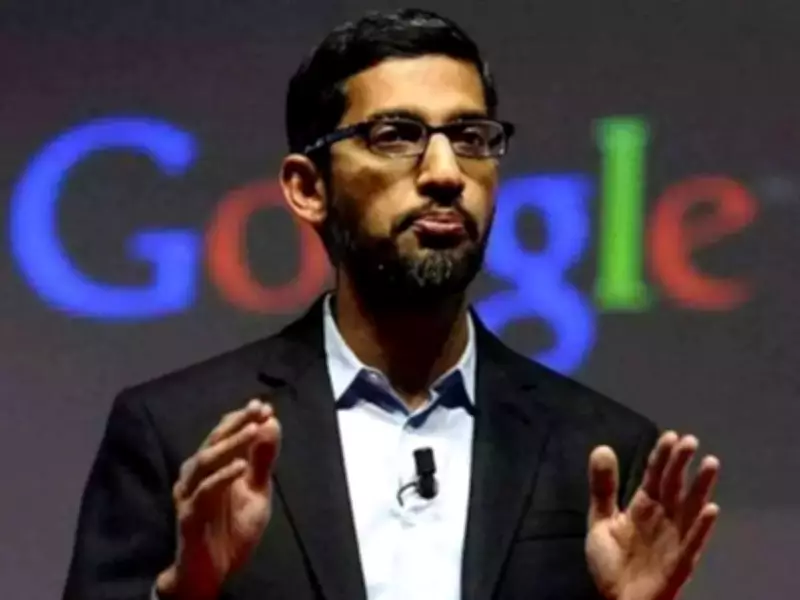
Alphabet CEO Sundar Pichai has publicly expressed gratitude to investors after the Google parent company's massive equity offering was oversubscribed. Warren Buffett's Berkshire Hathaway led the headline investors with a $10 billion contribution. In a post shared after markets closed, Pichai confirmed that Alphabet raised approximately $45 billion in the first phase of the offering, with an additional $40 billion expected through an "at the market" program commencing in the third quarter. This brings the total to around $85 billion. Pichai wrote, "A huge thank you to our investors, including Berkshire Hathaway who invested $10B."
Funds Allocated for AI Compute Infrastructure
The funds have a single purpose: they will be directed straight into Alphabet's AI compute build-out. This addresses the capacity crunch that Pichai recently described as a major concern for Google executives. The company has revised its 2026 capital expenditure forecast to between $180 billion and $190 billion, up from an earlier range of $175 billion to $185 billion.
Berkshire Hathaway's $10 Billion Bet on Google's AI Future
Berkshire's commitment came through a private placement, split into $5 billion of Class A common stock at $351.81 per share and $5 billion of Class C capital stock at $348.20 per share. Both prices were below Monday's closing price. This investment represents the single largest line item in the raise and adds to a position Berkshire has been quietly building since the third quarter of last year. The conglomerate tripled its Alphabet stake last month to approximately $16.6 billion. For Buffett's successor Greg Abel, the message is clear: Alphabet's AI spending is expected to generate returns, even though the company is issuing fresh shares that dilute existing holders.

How Alphabet Plans to Deploy the $85 Billion AI War Chest
Beyond the Berkshire placement, Alphabet is raising $30 billion through underwritten public offerings, evenly split between depositary shares tied to mandatory convertible preferred stock and Class A and C shares. The remaining $40 billion will be raised via an at-the-market program starting in Q3, allowing the company to sell shares gradually rather than in one large block. Goldman Sachs, JPMorgan Chase, and Morgan Stanley are managing the offerings.
The equity raise adds to an already substantial debt pile. Alphabet has raised more than $85 billion in debt across six currencies in the past year, pushing total debt past $100 billion. Combined with the new $85 billion in equity, Google's AI fund is beginning to resemble the budget of a small country rather than typical corporate capital expenditure.
Context is important. Alphabet, Microsoft, Meta, and Amazon are collectively expected to spend more than $700 billion on capex this year, with Wall Street estimating that total AI capex could exceed $1 trillion by 2027. Alphabet's stock has more than doubled in the past year, outperforming every other megacap peer.