

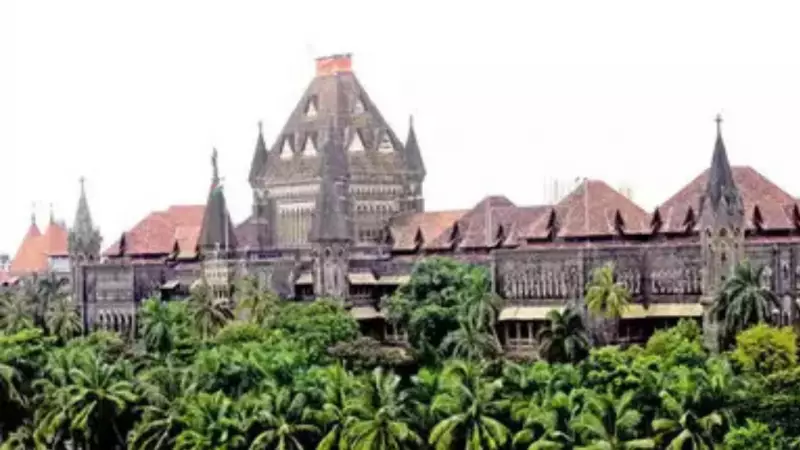
In a significant development, the Bombay High Court has granted permission to Delhi-based journalist and activist Gautam Navlakha to move back to his residence in the national capital. This decision comes in the ongoing 2018 Elgar Parishad-Maoist link case, allowing Navlakha to stay in Delhi until the crucial stage of framing of charges begins.
Court's Decision and Key Conditions
The division bench of Justices Bharati Dangre and Shyam Chandak issued the order on Wednesday. The court's permission, however, is not unconditional. Navlakha must adhere to a set of strict bail conditions during his stay in Delhi.
The primary conditions mandate that he cannot leave Delhi without obtaining prior permission from the concerned authorities. Furthermore, he is required to visit the Kalkaji police station in Delhi every single Saturday to mark his attendance. This visit must be completed between 9 am and noon.

The court also modified a condition, stating that Navlakha must be physically present in Mumbai when the hearing for the framing of charges takes place. This step is the final pre-trial procedure before the actual criminal trial commences.
Background and Navlakha's Plea
This ruling follows a plea filed by Navlakha's counsel, Yug Chaudhry, seeking permission for his client to reside in Delhi instead of Mumbai. Although the High Court had granted Navlakha bail in 2023, a condition required him to remain in a house in Mumbai until the trial's conclusion.
Chaudhry argued that the trial is far from starting and that the restrictive bail condition was causing severe personal and financial hardship for the 73-year-old Navlakha, who had to rent accommodation in Mumbai. The bench observed orally that Navlakha had not attempted to abuse his liberty while on bail and did not appear to be a flight risk.
Earlier this year, a special NIA trial court at the Sessions Court had denied a similar plea to permit his shift to his hometown, Delhi, prompting the move to the High Court.
NIA's Stance and Additional Bail Terms
The National Investigation Agency (NIA), represented by Additional Solicitor General Anil Singh, had submitted a list of suggestions during the hearing on Tuesday. The High Court reviewed these points while passing its order.
Notably, the court increased the frequency of his police reporting. While in Mumbai, he reported to a local police station once a month. In Delhi, he must report weekly, with the court remarking, "since you are out of our jurisdiction," and noting that he is on bail but "not yet a free man."
Other conditions for Navlakha include surrendering his passport, not leaving Delhi without the NIA court's leave, and ensuring his physical presence on all trial dates once the trial begins, unless exempted by the special trial court.
The NIA had filed an additional charge sheet against Navlakha and others on October 9, 2020, invoking serious offences including waging war, sedition, and terror charges under the Unlawful Activities (Prevention) Act (UAPA). Navlakha's counsel highlighted that no special judge has been assigned to the case yet, and the trial is expected to take a long time even after it begins.






