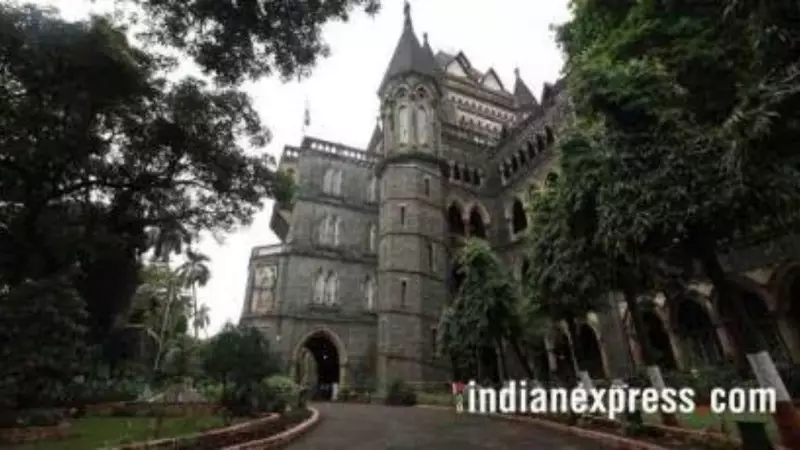
The Bombay High Court has firmly dismissed a petition filed by a businessman seeking permission to drive his vehicle into the highly secured restricted zone surrounding the Bombay Stock Exchange (BSE) on Dalal Street in south Mumbai's Fort area. In a significant ruling, the court emphasized that an "able-bodied person can surely walk from the security barricades to his office near the BSE building, a distance of hardly 300 metres."
Court Clarifies Limited Scope for Vehicle Permissions
The division bench, led by Justice Ravindra V Ghuge, heard the plea on January 13 from 50-year-old businessman Sanjay Pukhraj Bafna, who operates his office in proximity to the iconic BSE building. During the proceedings, the court made it explicitly clear that the "drop/pick up and go" facility had been previously granted exclusively to the petitioner's late father due to advanced age and severe heart ailments.
The bench elaborated that such special permissions are strictly reserved for individuals with grave and serious medical conditions that genuinely prevent them from walking even the short distance of 300 metres from security checkpoints. The court observed that the necessity for vehicle access "extinguished" following the father's passing in 2023, noting that security personnel had operated under the mistaken impression that the deceased was still utilizing the vehicle.

Petitioner's Arguments and Court's Observations
Bafna, represented by advocates Mutahhar Khan and Yash Dhakad, presented several arguments before the court. He contended that despite possessing exclusive rights to a private parking space within the building compound, his vehicle faced entry restrictions. The petitioner referenced a 2012 court order that permitted his father to be dropped at Veena Chambers gates during specific hours, with the vehicle required to depart immediately afterward.
However, the court remained unconvinced by these submissions. The bench pointedly noted that the petitioner appeared physically capable, having stood before the court without apparent difficulty during the thirty-minute hearing. "The petitioner is present in the court hall and was standing before the court during the hearing, which lasted almost 30 minutes. He appears to be able-bodied and had no difficulty standing before the court," the judges recorded in their observations.
Security Concerns Take Precedence
The Bombay High Court gave paramount importance to security considerations surrounding the financial nerve center of Mumbai. The BSE supported its position by citing police communications advocating for prohibiting the petitioner's vehicle entry into the sensitive area. The court explicitly refused to grant the petitioner any liberty for "drop or pick up and go" arrangements, citing the absence of substantiated health grounds in his application.
In a broader security directive, the bench instructed the Senior Police Inspector of MRA Marg police station to "conduct a routine review of security and should not be complacent" regarding access protocols around the BSE complex. The court further clarified that its ruling "would not apply to BSE officials or high dignitaries visiting the BSE for official purposes," maintaining necessary exceptions for legitimate institutional requirements.
Broader Implications for Urban Access and Security
This ruling establishes important precedents regarding urban mobility and security protocols in sensitive financial districts. The court's decision reinforces the principle that individual convenience must yield to collective security imperatives, particularly in areas of national economic significance. The judgment underscores the judiciary's role in balancing personal access rights with institutional security requirements in increasingly complex urban environments.
The Bombay High Court's firm stance sends a clear message about maintaining stringent security measures around critical financial infrastructure while ensuring reasonable accommodations remain available for those with genuine medical necessities. This decision will likely influence future petitions concerning access restrictions in other secured zones across metropolitan centers.