Bombay High Court Directs MMRDA to Consider Prayer Facility for Transport Workers at Mumbai Airport
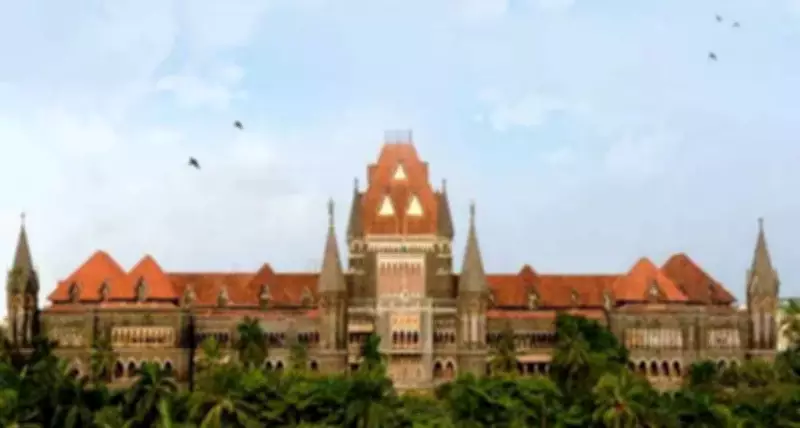
In a significant development, the Bombay High Court on Friday issued a directive to the Mumbai Metropolitan Region Development Authority (MMRDA), asking it to clarify by next week whether it would consider permitting autorickshaw drivers, taxi operators, Ola-Uber drivers, and even passengers to offer namaz at a temporary shed near the Chhatrapati Shivaji Maharaj Airport's domestic terminal. The court emphasized that this consideration should be made purely on humanitarian grounds, highlighting the plight of thousands of devotees who have been left without a place for temporary worship.
Petition Filed by Transport Union Seeks Protection of Fundamental Rights
The High Court was hearing a petition filed on January 19 by the Taxi-Rickshaw Ola-Uber Men's Union, which sought orders to protect the fundamental rights of devotees. The union argued that these individuals have been deprived of a place of temporary worship inside the airport premises, following the sudden demolition of a prayer space. According to the petition, the Mumbai International Airport Limited (MIAL) had assured the union that a temporary prayer hall would be provided specifically for the Ramzan period. However, with no such space created, the union approached the court to direct MIAL and the government to either restore the prayer hall or provide an alternative prayer space on the airport premises.
Background of the Dispute and Humanitarian Concerns
The dispute stems from the abrupt removal of a prayer facility that had been used by transport workers and passengers alike. The union expressed deep grievance over this action, stating that it has disrupted the religious practices of a large community. The court's intervention underscores the broader issue of access to religious spaces in public areas, particularly in a bustling metropolis like Mumbai. By asking MMRDA to respond, the court is pushing for a resolution that balances urban development with the humanitarian needs of citizens.
This case brings to light the challenges faced by daily wage earners and commuters in finding suitable places for prayer, especially during peak travel times. The temporary shed proposal aims to address this gap, ensuring that individuals are not forced to compromise their religious obligations due to infrastructure changes. The court's directive is seen as a step towards upholding constitutional rights while considering practical solutions in a densely populated urban environment.
Next Steps and Implications
MMRDA's response, expected by next week, will be crucial in determining the future of prayer facilities at the airport. If approved, the temporary shed could serve as a model for similar arrangements in other high-traffic areas across the city. The outcome of this case may also influence how authorities handle religious accommodations in public spaces, setting a precedent for humanitarian considerations in urban planning.
As the matter progresses, stakeholders including transport unions, airport authorities, and government bodies will be closely watching the developments. The Bombay High Court's emphasis on humanitarian grounds reflects a growing recognition of the diverse needs of Mumbai's population, urging a more inclusive approach to city management.