Bombay High Court Issues Ultimatum to Civic Chiefs Over Air Pollution Crisis
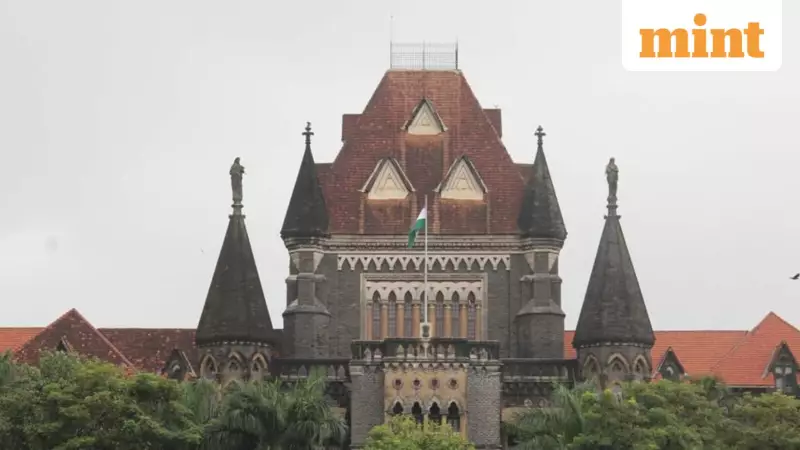
The Bombay High Court has delivered a sharp rebuke to municipal authorities in Mumbai and Navi Mumbai, warning that the salaries of top civic officials could be suspended if they continue to disregard judicial mandates aimed at tackling the region's deteriorating air quality. During a hearing on Friday, the court expressed frustration over what it termed a "belligerent disregard" for repeated directives to control atmospheric pollutants.
Judicial Warning Over Salary Suspension
A bench comprising Chief Justice Shree Chandrashekhar and Justice Suman Shyam specifically cautioned the municipal commissioners of both Mumbai and Navi Mumbai that their remuneration could be frozen for non-compliance with court orders. "We will stop the salaries of the (civic) commissioners (for non-compliance with court orders). Take this as a warning," the high court stated emphatically during the proceedings.
The court highlighted that officials are not immune to the environmental crisis, remarking, "You are not living in some alien world. We are all breathing the same air." This observation underscored the shared responsibility in addressing the public health emergency posed by rising pollution levels.
Background of the Pollution Case
The court had initiated a suo motu case in 2023 concerning Mumbai's escalating pollution, issuing multiple directives to civic bodies to implement mitigation measures. Despite these orders, the bench noted a persistent pattern of defiance and inadequate action from municipal authorities.
During the hearing, Brihanmumbai Municipal Corporation (BMC) counsel SU Kamdar presented some steps taken, including:
- Issuing "stop work" notices to various construction projects
- Setting up air quality monitors at 400 out of 600 required locations
However, the court remained unimpressed, pointing out that these measures were only implemented under judicial pressure rather than proactive governance. "What were you doing all these years? We are not here to take stock of the situation every time. It is not the court's job to run the municipal corporation," the bench emphasized.
Demand for Comprehensive Data and Accountability
The high court has now demanded detailed, ward-level data on air quality monitoring, specifically directing the BMC to provide daily sensor readings for the three-month period leading up to November 2025. "We want the numbers. That will tell the true story," the court stated, indicating a move toward evidence-based accountability.
The bench found affidavits submitted by both the BMC and the Navi Mumbai Municipal Corporation (NMMC) lacking in specific details and demonstrating an apparent absence of "genuine and sincere" commitment to addressing the regional air quality emergency.
Next Steps and Continued Judicial Oversight
The court has posted the matter for further hearing on 27 January, maintaining judicial pressure on civic authorities to demonstrate tangible progress in pollution control measures. This development represents a significant escalation in the judiciary's approach to environmental governance, using financial accountability as leverage to ensure compliance with public health mandates.
The warning about salary suspension marks a rare but powerful judicial intervention in administrative functioning, reflecting the urgency of the air pollution crisis affecting millions of residents in India's financial capital and its neighboring regions.