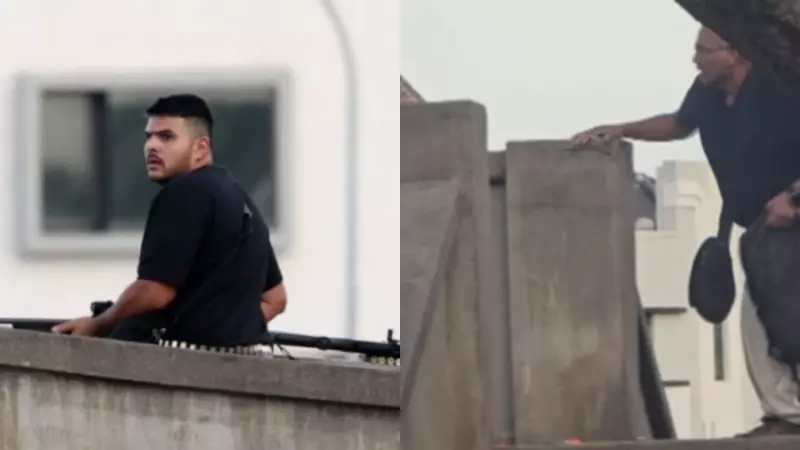
In a shocking revelation from the investigation into the Sydney mass shooting, Philippine immigration authorities confirmed that the two accused gunmen, Sajid Akram and his son Naveed Akram, travelled to the Philippines last month. The attack at the famed Bondi Beach resulted in the deaths of fifteen people and left over twenty-five injured.
Hyderabad Roots and Australian Life of the Accused
Telangana Police identified Sajid Akram, 50, as a native of Hyderabad. According to an official statement from the state's Director General of Police office, Akram migrated to Australia twenty-seven years ago in November 1998. He had completed a B.Com degree in Hyderabad before leaving in search of employment. The police emphasised that he maintained only limited contact with his family back in India.
The authorities stated that the factors leading to the radicalisation of both Sajid and his 24-year-old son Naveed appear to have no links to India or any local influence in Telangana. In Australia, Sajid Akram was a fruiterer who held a firearms licence for recreational hunting and was a member of a gun club. He legally owned six guns, several of which were taken to the Bondi Beach site.
The Philippines Connection and ISIS Links
New South Wales Police Commissioner Mal Lanyon confirmed the suspects' travel to the Philippines, noting that the purpose and specifics of their trip are under active investigation. Earlier reports from security sources suggested the pair may have travelled for "military-style training." Commissioner Lanyon stated there was no indication of any security alert being triggered during their travel.
A vehicle registered to Naveed Akram became a critical piece of evidence. NSW police revealed the vehicle contained improvised explosive devices (IEDs) and two homemade flags linked to ISIS, a militant group designated as a terrorist organisation by Australia and other nations.
Prime Minister Anthony Albanese offered a clear indication of the motive, stating the pair had been radicalised by an "ideology of hate." He was quoted saying, "It would appear that this was motivated by Islamic State ideology." Albanese also disclosed that Naveed Akram, described as an unemployed bricklayer, had come to the attention of Australia's intelligence agency in 2019 but was not deemed an imminent threat at the time.
Planning the Attack and Tragic Aftermath
Police disclosed that the suspects had misled their family, claiming they were going on a weekend fishing trip. Instead, they were staying at a short-term rental in the Sydney suburb of Campsie, where they allegedly planned the attack. Counterterrorism officers later searched this property and recovered two firearms.
The attack targeted Jewish attendees at a Hanukkah event. The fifteen victims included a 10-year-old girl, a British-born rabbi, a retired police officer, and a Holocaust survivor. Twenty-five people remain hospitalised, with six in critical condition. Sajid Akram was shot dead at the scene by responding officers.
Authorities believe the attack was intended to sow panic among the nation's Jewish community. Bondi Beach remained an active crime scene for forensic and ballistic investigations but was expected to reopen to the public. The Philippine authorities have stated they are cooperating with the investigation into the suspects' activities within their country.