California Parole Board's Release of Serial Child Rapist Ignites Political Firestorm
Outrage and political backlash have erupted across California after state parole officials approved the release of David Allen Funston, a convicted serial child rapist serving multiple life sentences, under the state's controversial elderly parole programme. The decision has drawn fierce criticism from victims, law enforcement officials, and Republican lawmakers, who have described the move as unconscionable and dangerous.
Details of the Crimes and Conviction
David Allen Funston, now 64 years old, was convicted in 1999 on 16 counts of kidnapping and molesting eight young children in Sacramento-area communities in 1995. His victims, aged between three and seven, were lured with toys, Barbie dolls, and candy before being abducted, assaulted, and abandoned in remote locations. Prosecutors at the time described him as a predator who systematically targeted vulnerable children, shocking California with the severity of his crimes.
Parole Decision Under Elderly Programme
Despite receiving three consecutive life terms, Funston was granted parole after serving 27 years in prison. His release was made possible under California's elderly parole law, which allows inmates aged 50 or older who have served at least 20 years to seek parole. The programme originated from a federal court order aimed at reducing prison overcrowding and recognising the reduced risk posed by aging inmates. Lawmakers later expanded the programme, lowering eligibility to age 50 after 20 years of incarceration.

Criticism from Law Enforcement and Politicians
Sacramento County Sheriff Jim Cooper expressed anger at the ruling, stating that the trauma inflicted on the victims could never be undone. He emphasised, "The things he did to those children cannot be undone — ever. Victims come first, especially children. This should never have happened." Republican state senators have also demanded accountability, accusing the administration of enabling a system that allows violent offenders to be released. State Senate Minority Leader Brian Jones argued that the governor was attempting to evade responsibility, noting that the parole system operated under laws approved during his tenure.
Governor Newsom's Response
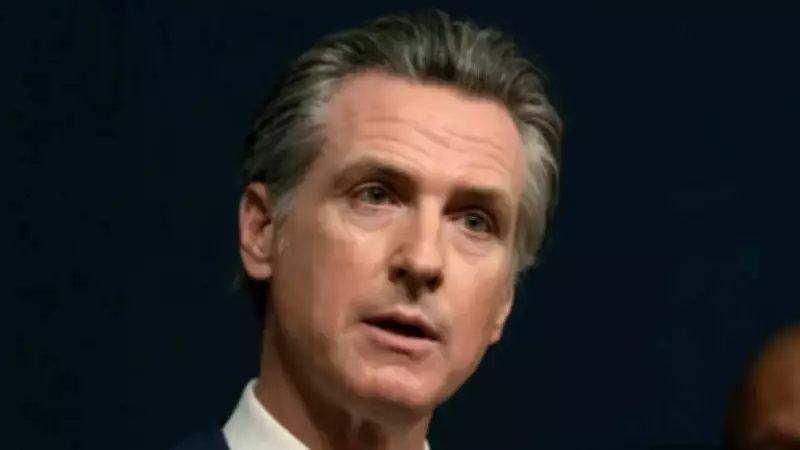
Governor Gavin Newsom opposed the parole board's decision but clarified that California law prevented him from overturning it. His office explained that the Board of Parole Hearings is an independent body with the authority to determine parole suitability. Spokesperson Diana Crofts-Pelayo said, "The Governor asked the Board of Parole Hearings to re-review its decision. The Governor doesn't agree with the outcome, but he has no power to overturn this case under state law." Newsom had earlier sent Funston's case back for reconsideration in January, but the parole board reaffirmed its decision in February, concluding that Funston no longer posed a public safety risk.
Concerns Over the Elderly Parole Law
Critics argue that the elderly parole law fails to adequately account for the severity of crimes such as child sexual abuse. Former Sacramento County District Attorney Anne Marie Schubert stated that Funston's case demonstrated why exceptions should be made for violent sexual offenders. She remarked, "He hunted for young children. He's exactly the kind of offender who should never be eligible for parole." Authorities have not disclosed when or where Funston will be released, citing security concerns, adding to the public's anxiety and dissatisfaction with the decision.