Canada and France Say No to Trump's Billion-Dollar Peace Board
A Canadian government source has made a clear statement. Canada will not pay one billion dollars for a permanent seat on Donald Trump's proposed 'Board of Peace'. The source told AFP that no such request has been made to Canada at this time.
This decision marks a shift. Prime Minister Mark Carney had previously indicated Canada might accept an invitation to join this body.
France Also Declines, Citing UN Principles
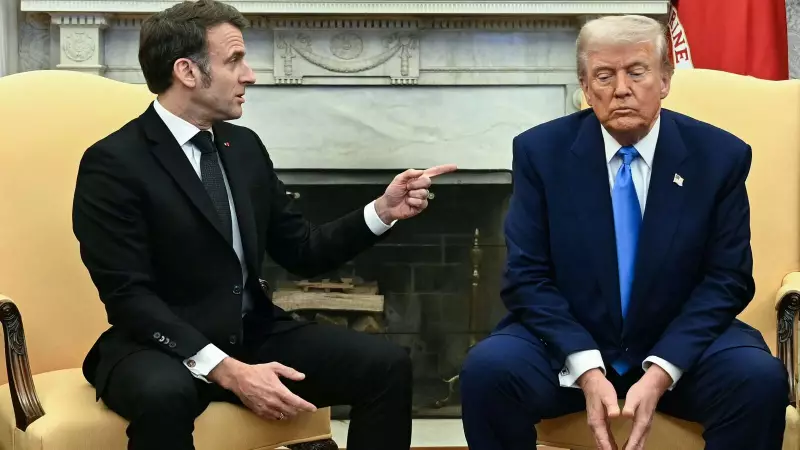
France is taking a similar stand. A source close to President Emmanuel Macron revealed that France "does not intend to answer favourably" to the invitation.

The French source expressed deep concerns. They stated the board's charter "goes beyond the sole framework of Gaza." It raises major questions about respecting the principles and structure of the United Nations.
"This remains the keystone of effective multilateralism," France's foreign ministry said in a statement. They emphasized a system "where international law, the sovereign equality of states, and the peaceful settlement of disputes prevail over arbitrariness, power politics and war."
Understanding the 'Board of Peace' Proposal
Donald Trump conceived this board to oversee the rebuilding of war-torn Gaza. However, the draft charter does not limit its role to that territory alone.
According to the reported draft:
- The board would be chaired for life by Donald Trump.
- It would start by addressing the Gaza conflict.
- Its scope would later expand to deal with other global conflicts.
President Trump has invited 60 countries to join. The draft charter sets a clear financial condition for permanent membership.
"Each Member State shall serve a term of no more than three years... subject to renewal by the Chairman," the draft states. "The three-year membership term shall not apply to Member States that contribute more than USD $1,000,000,000 in cash funds to the Board of Peace within the first year."
Other Nations Accept the Invitation
While Canada and France decline, other nations are joining. Press secretaries for the presidents of Kazakhstan and Uzbekistan confirmed on Monday that their countries will participate in the proposed board.
The rejections from two key Western nations highlight significant diplomatic reservations about the initiative's structure and its potential impact on established international institutions.