Karnataka High Court Orders CBI Investigation into Hebbal Land Acquisition Scam
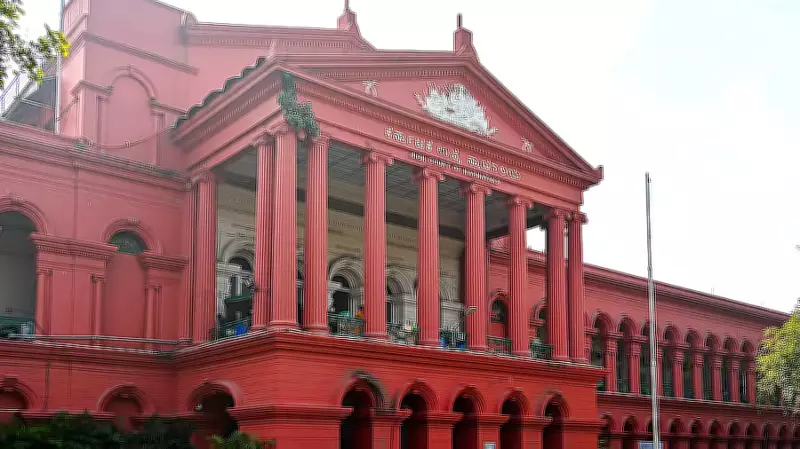
In a landmark ruling, the Karnataka High Court has mandated a Central Bureau of Investigation (CBI) probe into what it termed a "monumental fraud" involving the acquisition of prime land in Hebbal, Bengaluru. The division bench, in a decisive move, has quashed the entire acquisition process, highlighting severe irregularities and potential corruption in the deal.
Court Slaps Heavy Costs on Lakeview Tourism Corporation
The court imposed a substantial cost of Rs 10 lakh on Lakeview Tourism Corporation, the entity involved in the acquisition. This penalty underscores the gravity of the fraudulent activities uncovered during the proceedings. The bench emphasized that such actions undermine public trust and must be met with stringent legal consequences to deter future malpractices.
Details of the Fraudulent Acquisition
The case revolves around the acquisition of valuable land in Hebbal, a prime area in Bengaluru, which was allegedly conducted through manipulative and illegal means. Key aspects of the fraud include:

- Misrepresentation of Facts: False documents and misleading information were used to facilitate the acquisition.
- Violation of Legal Procedures: The process bypassed standard regulatory checks and balances.
- Financial Irregularities: Suspicions of bribery and corruption in the transaction.
The court's order to quash the acquisition effectively nullifies any claims or ownership derived from the fraudulent deal, restoring the land to its rightful status.
Implications for Governance and Real Estate
This ruling is expected to have far-reaching implications for land acquisition practices in Karnataka and beyond. It sends a strong message against corruption in real estate and governance, reinforcing the judiciary's role in upholding integrity. The CBI probe will now delve deeper into the matter, potentially uncovering more details and holding accountable all parties involved in the scam.
The case highlights ongoing challenges in urban development and the need for transparent processes to prevent such frauds in the future.