Chhattisgarh High Court Clarifies Law on Cattle Transport: Not Always Linked to Slaughter
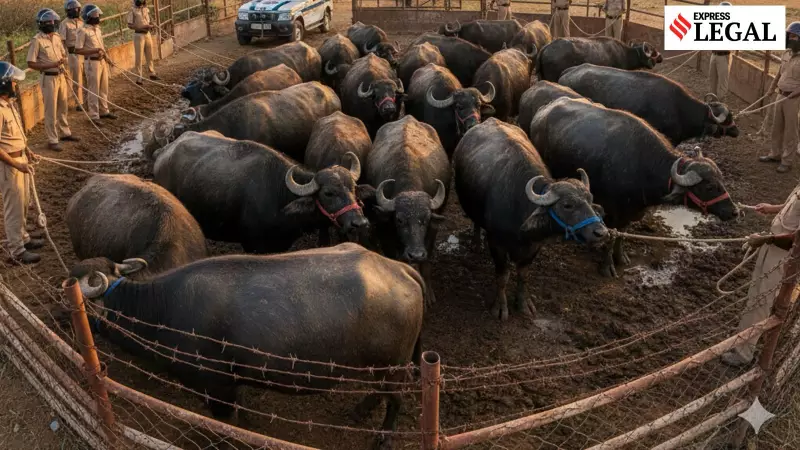
In a significant legal development, the Chhattisgarh High Court has delivered a landmark ruling that challenges common assumptions about cattle movement in India. The court has explicitly stated that the act of transporting buffaloes does not inherently constitute an illegal journey to a slaughterhouse. This decision came in response to a case involving 15 buffaloes, which were seized by authorities under suspicion of being moved for unlawful slaughter purposes.
Details of the Case and the Court's Rationale
The case centered on the seizure of 15 buffaloes by local officials, who alleged that the animals were being transported for illegal slaughter. However, the High Court carefully examined the evidence and legal provisions before arriving at its conclusion. The judges emphasized that mere transportation of cattle, without concrete proof of intent for slaughter, cannot be deemed illegal under existing laws.
The court highlighted several key points in its ruling:

- The burden of proof lies with the authorities to demonstrate that the cattle were indeed being moved for slaughter, rather than for other legitimate purposes such as agriculture, dairy farming, or trade.
- There must be a clear distinction between transportation for lawful activities and those intended for illegal slaughter, with each case requiring individual assessment based on facts.
- The ruling aims to prevent the misuse of anti-slaughter laws to harass individuals involved in the legal cattle trade or agricultural practices.
Implications for Cattle Owners and Traders in India
This judgment is expected to have far-reaching implications for cattle owners, traders, and farmers across India, particularly in states with strict anti-slaughter regulations. By setting a precedent, the Chhattisgarh High Court has provided much-needed clarity on the interpretation of laws governing cattle movement.
The ruling underscores the importance of due process and evidence-based enforcement, rather than relying on presumptions or stereotypes about cattle transport. It also serves as a reminder to law enforcement agencies to exercise caution and ensure proper investigation before seizing animals or initiating legal action.
Legal experts suggest that this decision could influence similar cases in other states, promoting a more balanced approach to cattle protection laws that respect both animal welfare and the rights of individuals engaged in lawful activities.