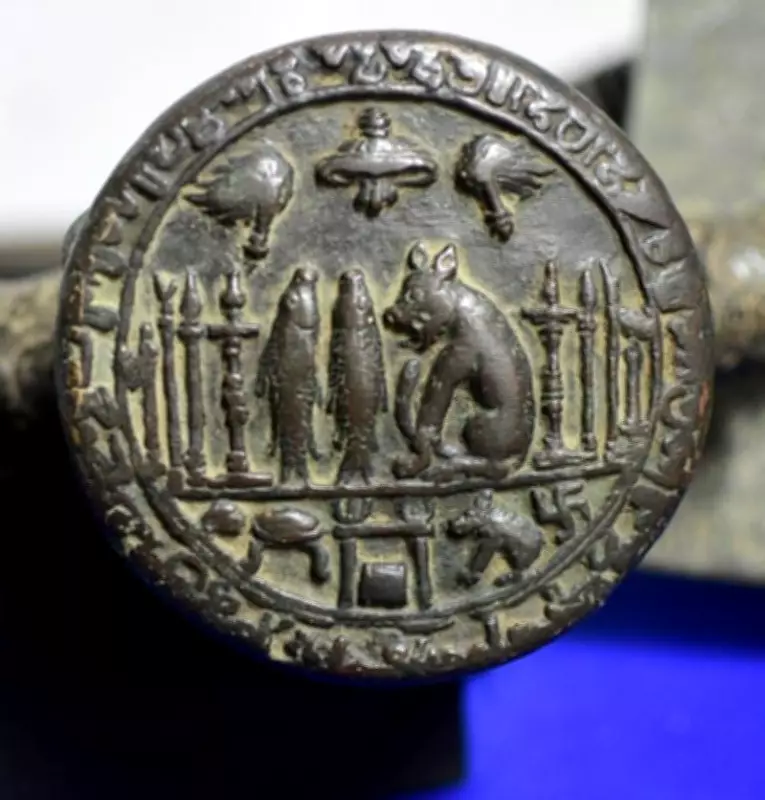
In a significant development for India's cultural heritage, a collection of artefacts from the Chola Empire, which ruled much of South India between the 9th and 13th centuries, is set to return to the country after more than 160 years abroad. The artefacts, which include bronze sculptures, coins, and pottery, were taken from the region during the colonial era and have since been held in museums and private collections overseas.
Historical Significance of the Chola Artefacts
The Chola dynasty is renowned for its contributions to art, architecture, and literature. The artefacts set for repatriation are considered key to understanding South India's medieval history. They include intricately crafted bronze statues of Hindu deities, such as Nataraja (the dancing Shiva), which exemplify the artistic excellence of the Chola period. Additionally, the collection features coins that provide insights into the economic systems of the time, as well as pottery that sheds light on daily life and trade practices.
Efforts for Repatriation
The return of these artefacts is the result of sustained diplomatic and legal efforts by the Indian government, in collaboration with international organizations and the countries where the artefacts were held. India has been actively pursuing the repatriation of cultural property taken during colonial rule, and this success adds to a growing list of recovered items. The process involved negotiations with multiple stakeholders, including museums and private collectors, to ensure the artefacts' lawful return.

Impact on Historical Research
Scholars and historians have welcomed the news, noting that the artefacts will now be accessible to researchers and the public in India. The return is expected to deepen the understanding of the Chola Empire's influence on trade, religion, and art across Southeast Asia. The artefacts will likely be housed in a prominent museum, where they can be studied and displayed as part of India's rich cultural legacy.
Broader Context of Repatriation
This repatriation is part of a global movement to return cultural artefacts to their countries of origin. Many nations, particularly those that were colonized, have been seeking the return of items taken without consent. India has been at the forefront of this effort, with recent successes including the return of the Koh-i-Noor diamond (though still contested) and other historical objects. The Chola artefacts' homecoming underscores the importance of preserving cultural heritage and rectifying historical injustices.
The artefacts are expected to arrive in India in the coming months, with a formal ceremony planned to mark their return. The event will likely draw attention to the ongoing efforts to reclaim other significant pieces of India's history.